Last updated November 21, 2026
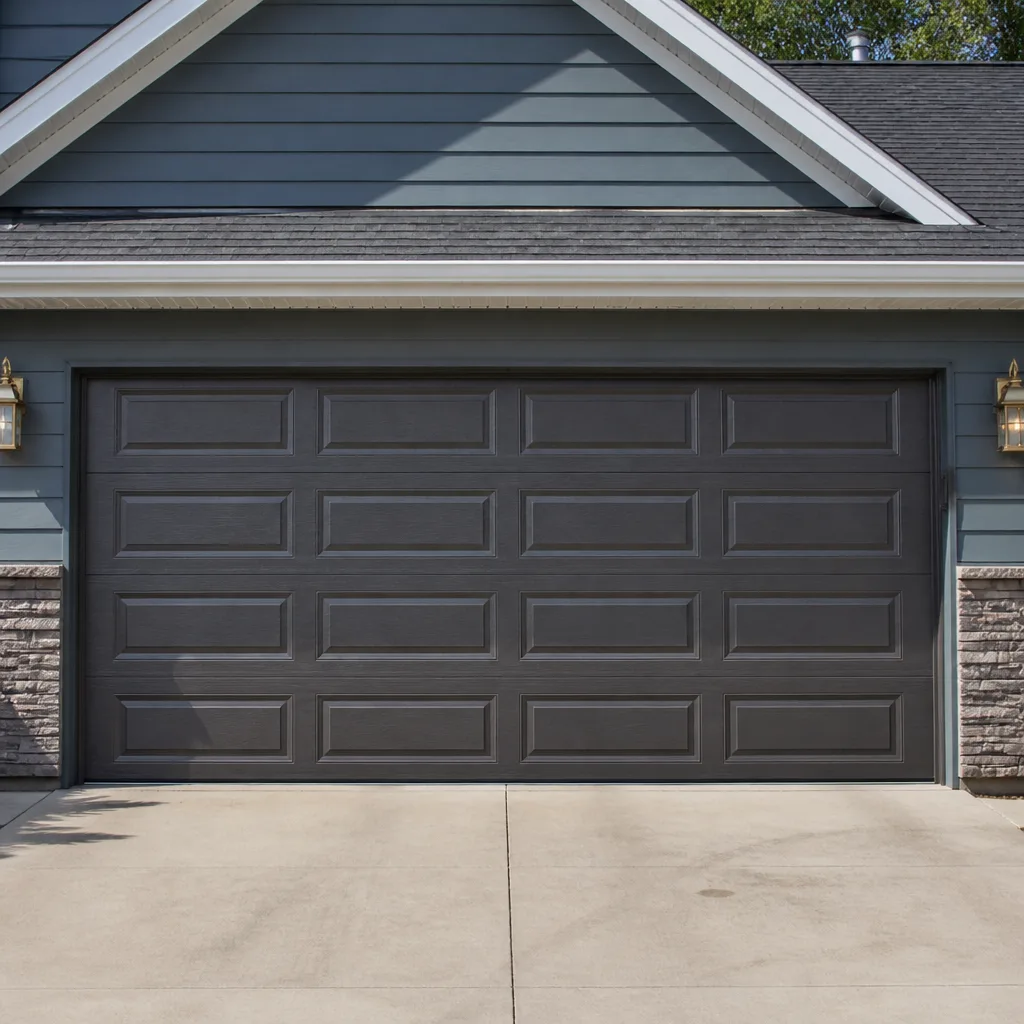 Raised-panel steel
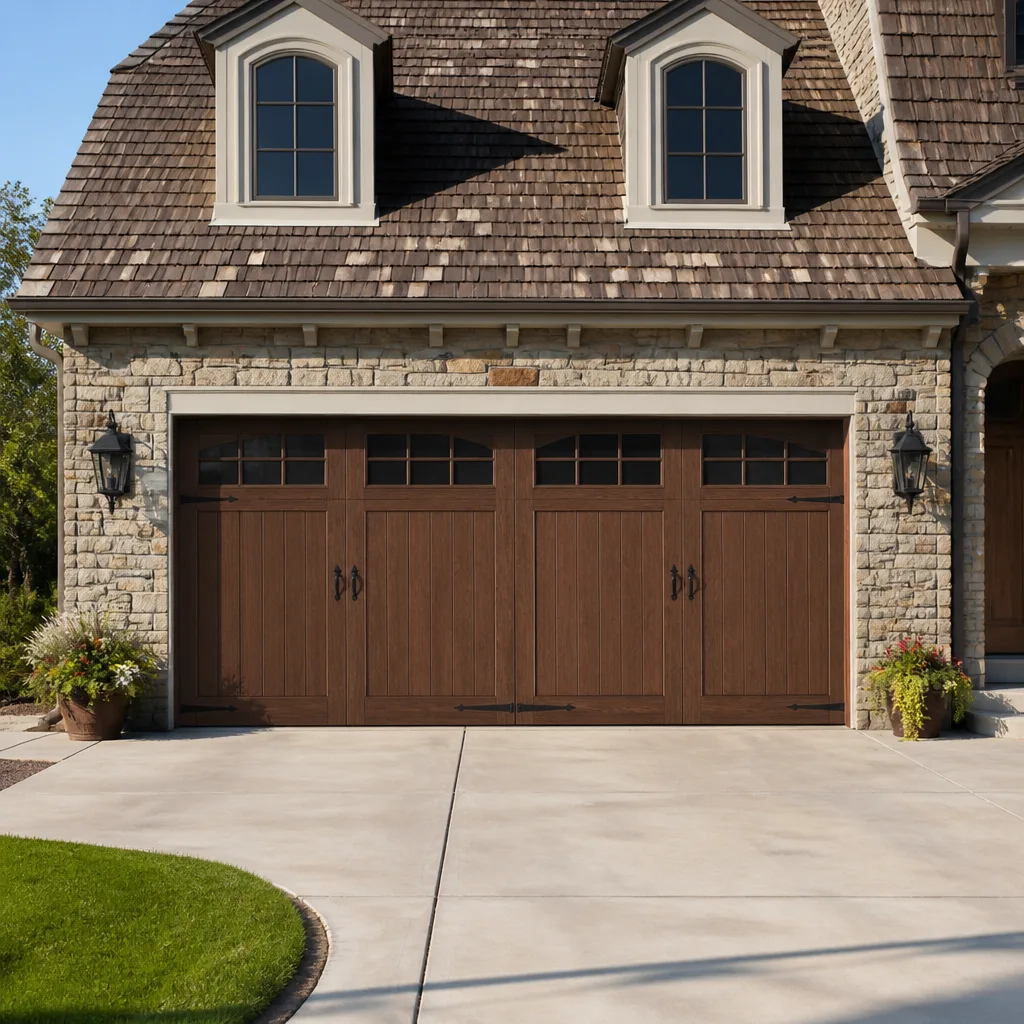 Carriage house
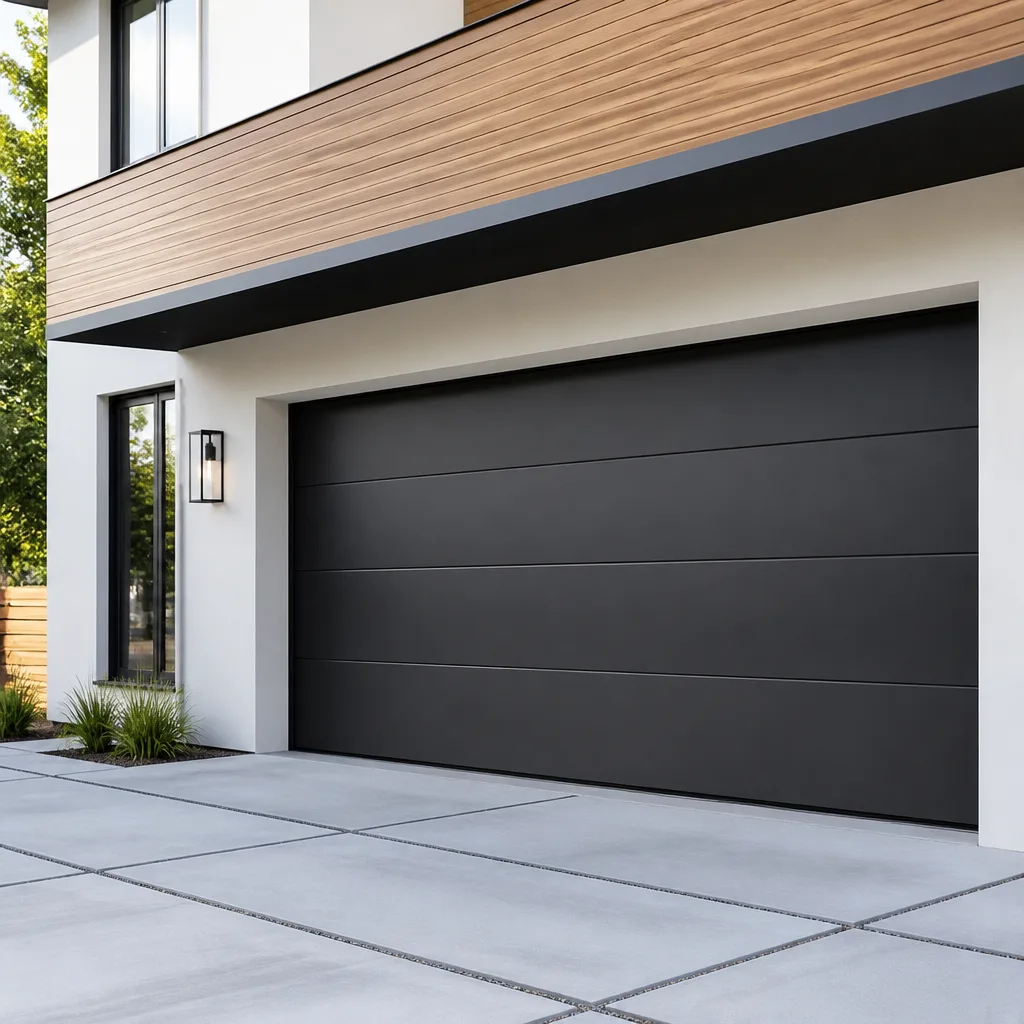 Modern flush
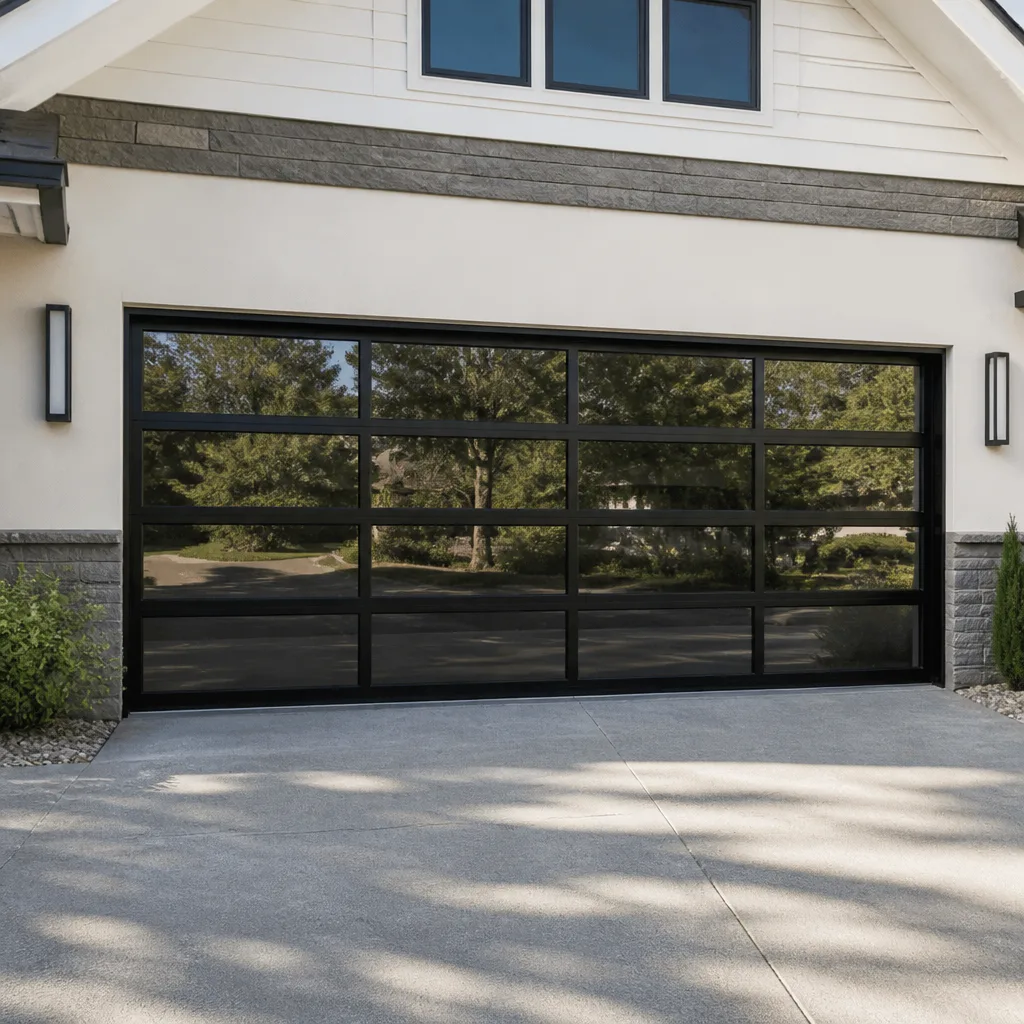 Full-view glass
 LiftMaster openers
 Chamberlain openers
Full 25-point door and opener safety check with every visit - springs, cables, rollers, tracks, and your LiftMaster or Chamberlain opener included
You get a price before we start. It does not change when the pro arrives.
Get your free estimateGarage Door Repair Troubleshooting in Meriden: Common Problems and How to Fix Them
The door that “just stopped working” almost never stopped for one reason. Nine times out of ten, there’s a chain of small failures that built up over months, and the last one is simply the one you noticed. A roller that started dragging in February puts strain on the opener all spring. A single worn bearing lets the door shudder a little more each week until a cable jumps a drum. By the time you press the remote and nothing happens, you’re looking at the end of a story that started long before. This guide maps every common Meriden garage door complaint to its actual mechanical cause, shows you where the safe do-it-yourself checks end, and tells you plainly when a technician is the right next move.
Quick Answer
Most garage door problems trace back to one of six mechanical systems: springs, cables and drums, rollers and tracks, the opener and its safety sensors, the door panels themselves, or the balance of the whole assembly. If the door won’t move at all, the opener or its sensors are the likely culprit. If it moves unevenly, slams down, or opens only partway, the mechanical hardware underneath is usually at fault. Springs, cables, and drums are never safe to touch yourself. Call (833) 679-1963 for a free estimate and we’ll tell you what’s actually wrong.
Styles & brands we work with
- Raised-panel steel
- Carriage house
- Modern flush
- Full-view glass
- LiftMaster openers
- Chamberlain openers
Table of Contents
- Symptom-to-Cause: What Your Door Is Telling You
- The Six Systems Behind Almost Every Garage Door Failure
- The Safe DIY Ceiling: What You Can Check and What You Must Not Touch
- How to Test Whether It’s the Opener, the Hardware, or the Door Itself
- Why Meriden’s Temperature Swings Wear Doors Faster Than Homeowners Expect
- Red-Flag Combinations: When Two Symptoms Mean Imminent Failure
- Reading Your Door by Sound: What Each Noise Points To
- Repair or Replace? How to Decide in Meriden
Symptom-to-Cause: What Your Door Is Telling You
Start with the symptom. It narrows the field faster than anything else and tells you whether you’re looking at a five-minute adjustment or a call to a technician. Here’s how the complaints we hear most in Meriden map to their mechanical sources.
| Symptom You Notice | Most Likely Mechanical Cause | Safe to Investigate Yourself? |
|---|---|---|
| Remote and wall button do nothing, no sound | Dead opener motor, tripped breaker, or failed logic board | Yes: check power and the breaker |
| Opener hums but door doesn’t move | Stripped opener gear, broken spring, or disengaged trolley | Partially: check the release cord, nothing more |
| Door opens a foot or two then stops | Broken torsion spring or binding track | No: spring tension is involved |
| Door reverses before touching the floor | Misaligned safety sensors or a travel-limit setting | Yes: clean and align the sensors |
| Door reverses on the way up and closes again | Friction from worn rollers or an obstruction in the track | Partially: inspect rollers by eye |
| Loud bang, door won’t lift at all | Snapped torsion spring or a cable off its drum | No: stop and call |
| Door hangs crooked, one side higher | Broken cable, slipped drum, or a bent track | No: cable tension is involved |
| Grinding, squealing, or popping | Worn rollers, dry hinges, or loose hardware | Yes: inspect and lubricate |
| Door goes up and down on its own | Opener logic fault, radio interference, or a stuck remote button | Partially: remove battery from the remote |
| Door tilts and sticks on one side | Uneven spring tension or one broken spring in a pair | No: spring tension is involved |
Notice the pattern. The rows marked “no” all involve springs, cables, or drums. That’s not caution for its own sake. Those components hold the entire weight of the door under tension, and they’re the reason most of this guide is about knowing when to stop. If you’re already sure the opener is the problem, our garage door opener repair page covers the specifics of dead remotes, misbehaving sensors, and stuck openers.
The Six Systems Behind Almost Every Garage Door Failure
Every garage door, whether a sectional Clopay door or an older wood door, relies on six interlocking systems. When one drifts, it drags the others out of alignment. That’s why a door rarely fails cleanly.
- Torsion or extension springs. These counterbalance the door’s weight. Torsion springs, mounted on a shaft above the door, do most of the work and fail most often. Most garage doors use a spring rated for a specific number of cycles, and a door that runs three times a day burns through cycles faster than one that runs once.
- Cables and drums. The cables run up each side and wind around drums that lift the door evenly. A cable under the wrong tension pulls the door crooked and can snap.
- Rollers and hinges. Each panel hangs on rollers that travel in the track, connected by hinges. Worn rollers make the door drag and force the opener to work harder.
- Tracks. Vertical and horizontal track sections guide the door’s path. A bend, dent, or loosened bracket puts side load on the whole mechanism.
- The opener. A LiftMaster or Chamberlain opener runs the door, but its travel limits and force settings need to match the door’s real resistance. An opener forced to push against a binding door burns out its gear.
- The door panels and balance. Warped or heavy panels change the door’s balance, which in turn feeds more strain into the springs. A door that’s slightly out of balance may look fine but wear a spring out months early.
We’re factory-familiar with the eight major brands, including Clopay, Amarr, Wayne Dalton, and Raynor, so we can often tell from the hardware alone which system tends to fail on your specific door model and where to look first. That saves a diagnostic visit and gets you back up and running faster.
The Safe DIY Ceiling: What You Can Check and What You Must Not Touch
The real dividing line in garage door troubleshooting is tension. Anything you can inspect without contacting a tensioned component is fair game. Anything that holds spring or cable tension is strictly professional territory, because a released spring or cable can cause serious injury.
Checks You Can Safely Perform
- Listen for the sound and feel of the opener. A hum with no movement, a click with no lift, silence with a button press all tell you something.
- Clean the safety sensors. A thumb on each one and a clean soft cloth fixes many “door won’t close” complaints.
- Check that both sensor indicator lights are steady, not blinking.
- Look at the rollers by eye. Flat spots or cracks show up without any tools.
- Test the door balance by hand: disconnect the opener, raise the door halfway, and let go. A balanced door stays put. A door that drops means the springs are weak.
- Look for visible bends in the tracks, and check that the brackets aren’t loose.
- Inspect the hinges on each joint for cracks, and give them a light coat of garage door lubricant if they look dry.
Checks and Adjustments You Must Never Attempt
If a task requires you to loosen, tighten, or measure tension on a spring, cable, or drum, stop. These parts hold enough stored energy to cause serious injury, and they can fail without warning.
- Adjusting torsion springs. The spring requires a winding bar and a trained hand; an accidental slip can whip the bar across the room. This is the single most dangerous garage door task.
- Replacing or re-tensioning extension springs without the correct safety cable and proper spring clamps.
- Loosening cable drums or removing a cable under tension.
- Cutting or untangling a cable that’s snagged.
If the spring is already broken, the door is under unbalanced load, and the safest thing to do is stay clear. Call us for garage door spring repair and we’ll set it right with the correct components.
How to Test Whether It’s the Opener, the Hardware, or the Door Itself
Here’s the step most troubleshooting guides skip: the manual disconnect. It’s how you isolate the opener from the door and figure out which side of the system is actually failing. If the door runs easily by hand with the opener disconnected, the hardware is fine and the opener is at fault. If the door fights you, binds, or won’t stay put, the problem is in the door or its springs, not the opener.
- Pull the red release cord hanging from the trolley. This disconnects the opener from the door without removing power.
- Stand clear of the door’s path and lift it slowly by hand from the bottom center. It should move smoothly with only moderate effort.
- Stop with the door halfway up and let go. A balanced door stays put. A door that drifts down means weak springs. A door that drops fast means spring failure.
- Lower the door carefully with the same hand-over-hand grip, and watch for one side lagging behind the other. Uneven movement points to a cable or drum problem.
- When you’re done testing, re-engage the trolley by pressing the opener so it cycles once, or by pushing the release lever back until it clicks.
What you learn here decides everything that follows. If the door moves cleanly by hand, the fix is likely a sensor, a travel limit, or the opener’s motor. Try the wall button next and see whether the result differs from the remote, which points to a remote or radio issue rather than a mechanical one.
If the door drags, binds, or drops, you’re looking at springs, cables, or tracks. Those need a specialist. In either case, we can often confirm the diagnosis over the phone with a few questions before we schedule the visit.
Why Meriden’s Temperature Swings Wear Doors Faster Than Homeowners Expect
Meriden sits in a part of Connecticut where winter brings repeated freeze-thaw cycles and summer turns humid. A well-insulated, freshly lubricated garage door handles that swing without trouble. An older door with standard steel components pushes through dozens of those temperature transitions a year.
Cold and Metal
In January, a garage may drop well below freezing, especially in a detached or unheated garage. Steel springs and tracks contract. Lubricant thickens. The door’s metal sections shrink slightly, and that small shift changes how tight a door sits between its tracks. Doors that worked perfectly in October can start rubbing or squealing in the first cold snap.
Heat and Humidity
By July, the same door faces warmth and humidity. Metal expands slightly, and wood doors absorb moisture and swell. Tracks that were snug in February may now be slightly tight, and the opener is doing more work to push the door through. The summer also loosens the small clearances in roller bearings and hinges, which is why a dragging roller that was barely an issue in the spring becomes obvious in the summer.
Springs and Cycles
Temperature swings stress springs in a specific way: each cycle adds fatigue. A door that runs several times a day through a Connecticut year thousands of cycles a year, and each one takes a little more out of the metal. That’s why the spring goes first, long before the opener or the panels, and it’s why spring repair is a named service here rather than an afterthought.
The practical takeaway: service the door at least once a year, ideally before the first freeze, and watch for early warnings like a sluggish lift, a louder clunk, or a door that sits uneven. Catching them then is far cheaper than waiting for a snap.
Red-Flag Combinations: When Two Symptoms Mean Imminent Failure
A single symptom usually has a single cause. Two or more related symptoms together usually means a chain reaction that’s about to complete. These are the combinations worth calling on rather than experimenting with.
- Uneven lift plus a loud bang. This almost always means one spring in a pair has snapped. Its partner is now holding the load alone and will fail soon.
- A door that reverses randomly plus grinding sounds. The opener has detected resistance and is stopping itself, but it’s also damaging its gear.
- Crooked hanging door plus a slack cable. A cable has jumped its drum. The door can fall if the remaining cable gives up.
- Door bangs at the bottom plus high lift at the top. The limit setting is off, and the door is slamming into the floor. That shock travels through every hinge and panel.
- Multiple sensors blinking plus a door that won’t close. Usually a wiring problem at the sensor rather than a sensor problem itself.
- A door that only lifts partway plus a bending track. The door is catching on the track. The opener’s gear and the panel edges are both at risk.
If you recognize one of these combinations, stop running the door. The next cycle is often the one that turns a small repair into a full replacement. That’s when door installation becomes a real conversation instead of a repair.
Reading Your Door by Sound: What Each Noise Points To
Ears catch what eyes miss. Pay attention to your door for a week and you’ll likely hear one of these.
- Sharp bang, loud enough to startle. Torsion spring failure. Stop and call.
- Metal-on-metal grinding. Worn roller or dry bearing. Lubricate and replace the rollers if the noise persists.
- High-pitched squeal. Dry hinges or a roller about to fail. Usually the easiest fix on this list.
- Persistent clunk, once per cycle. A loose bolt, a hinge hitting a track, or a roller rolling over a flat spot.
- Rattle. Loose bracket or hardware. Address before it loosens a track.
- Humming with no movement. The opener is powering on but the door isn’t moving. Could be a broken spring or a stripped opener gear.
- Repeated small clicks and a door that barely moves. The opener’s logic board is cycling. Time to test the opener itself.
LiftMaster and Chamberlain openers both use the same basic diagnostic signals; a repeating series of clicks or a blinking light on the motor head usually means a specific code rather than a general failure. We work on both brands and their legacy cousins, so the click pattern tells us a lot before we even put a tester to the door.
Repair or Replace? How to Decide in Meriden
The honest answer is often that repair wins. A snapped spring, a dead opener, or a bad set of rollers are modest jobs that restore the door for a few more years. Replacement starts to make sense when the cost of the fixes approaches the cost of a new door, or when the panels themselves are failing.
Signs Repair Makes Sense
- The door moves evenly and the panels are straight.
- The issue is isolated to the opener, a spring, or the rollers.
- The door is a standard size, and the brand parts are still available.
- The door looks fine and the problem is a single mechanical failure.
Signs Replacement Makes Sense
- Panels are cracked, bent, or rusted through along the bottom edge.
- The door has been repaired for the same problem repeatedly.
- The door is out of balance even after new springs.
- The door is very old, and every repair uncovers another issue.
For Meriden homeowners, we’d add this: if you’re going to keep the house for years, an insulated door often makes sense from a comfort standpoint too, especially on a garage wall shared with living space. If panel replacement is only one step away from an entirely new door, a free estimate helps you weigh both.
We handle the full spectrum from a single-component repair through complete new door installation, so we can give you both numbers in the same visit and let you decide. That’s the value in working with a specialist rather than a generalist.
Common Mistakes to Avoid
- Forcing a door that won’t open. When the door hits resistance, most people push the button repeatedly. Each cycle grinds the opener’s gear and can snap a compromised cable. If the door resists, stop and call.
- Ignoring a small spring noise. A spring that “just clicks a little” will fail completely, usually at the worst moment. In Meriden’s cold snaps, that’s often the first icy morning.
- Using the wrong lubricant. WD-40 displaces water and quiets a hinge for a few days, then dries out. A proper garage door lubricant on the hinges, rollers, and tracks lasts far longer.
- Over-tightening track bolts. A snug bolt holds the track. An over-tightened bolt dents it. A track that’s the wrong shape makes the door drag on one side and wears the opener.
- Letting one worn roller stay. One flat roller makes the door travel unevenly, which leans on the spring, which weakens the opener. Replace rollers as a set on each panel rather than one at a time.
- Replacing an opener without checking the door. A new opener on a binding door fails fast. Diagnose the door first, then the opener.
- Pushing the door by hand when a spring is broken. The door can fall. A broken spring means the door is fully unsupported and cannot be safely raised.
See the difference
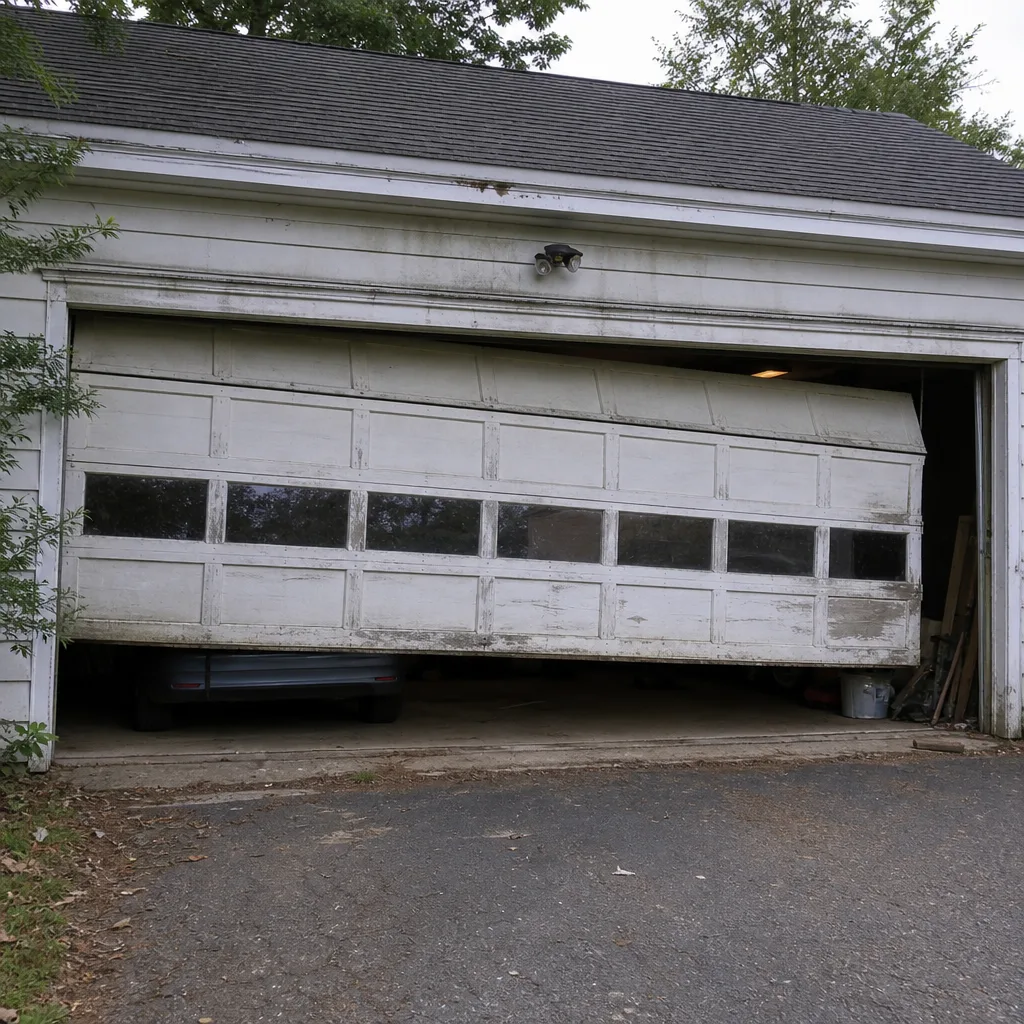 Before
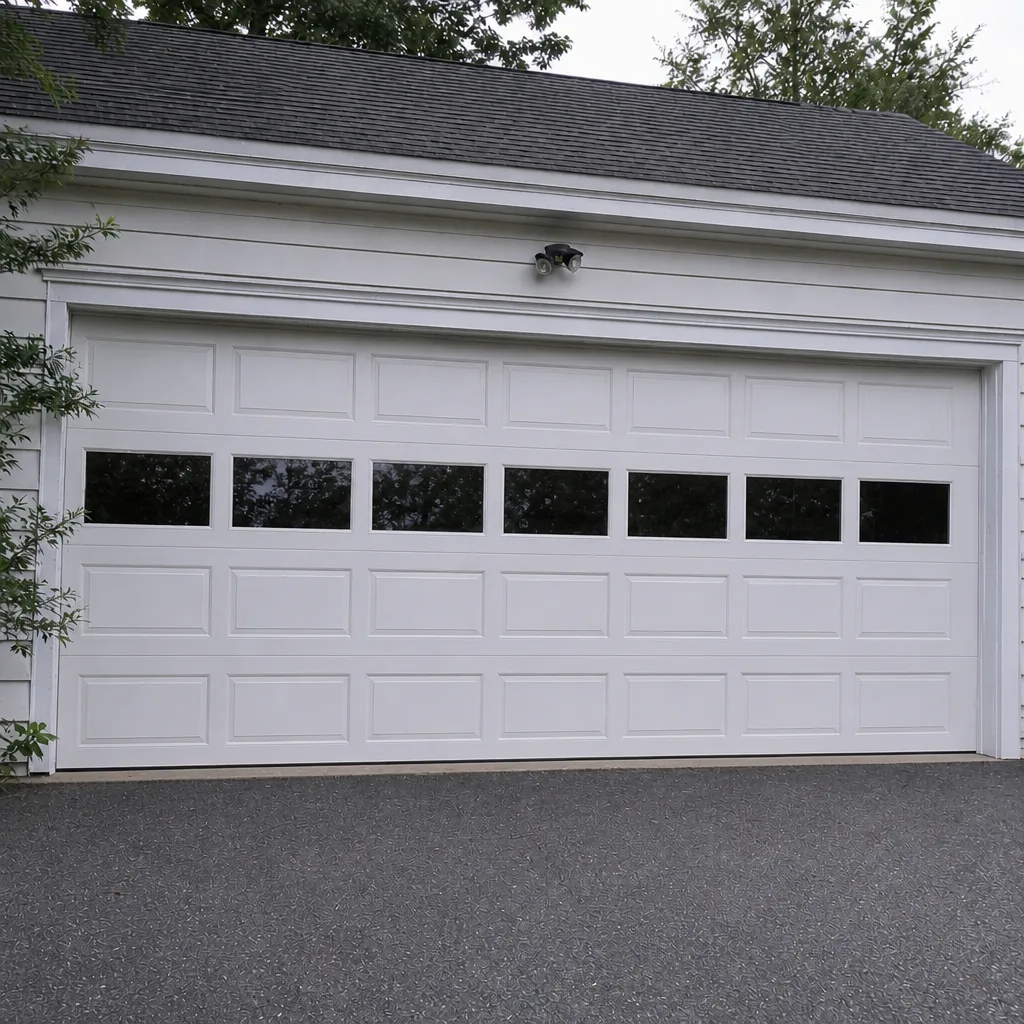 After
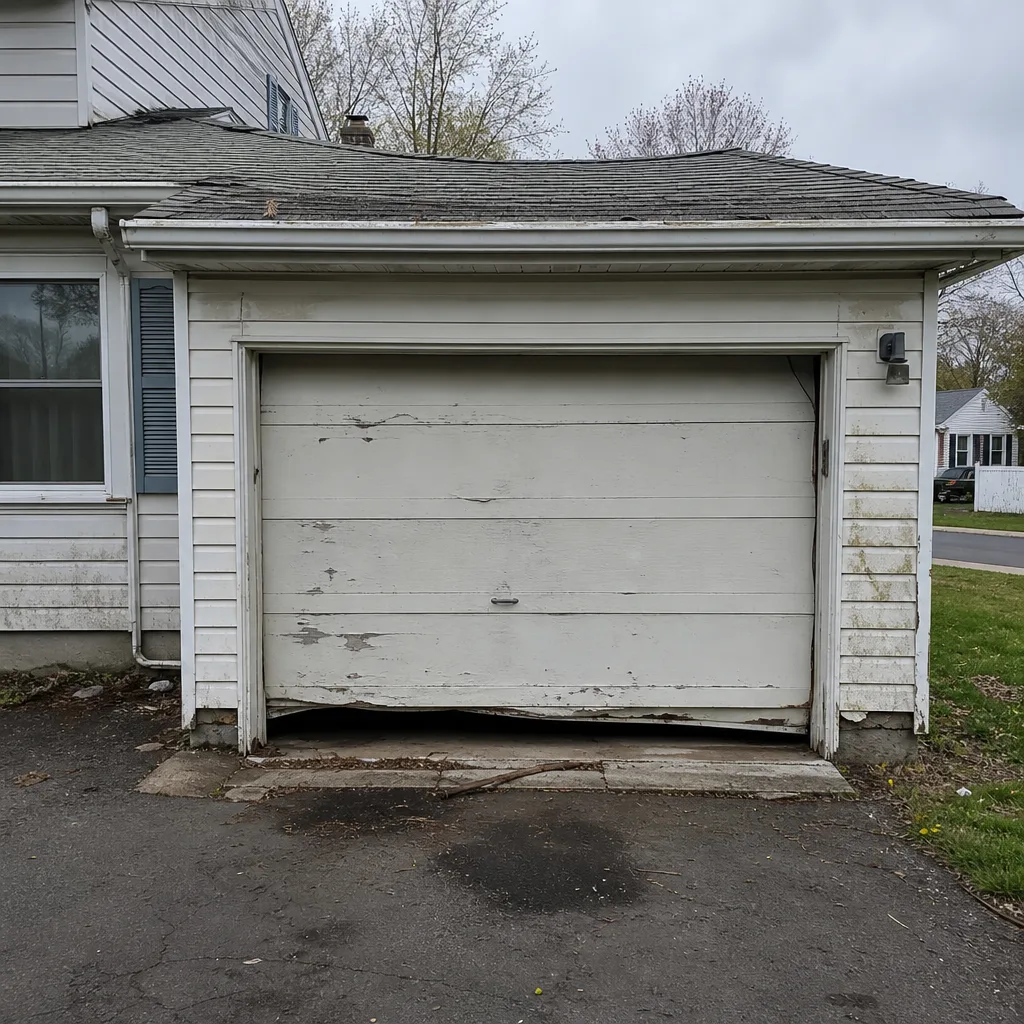 Before
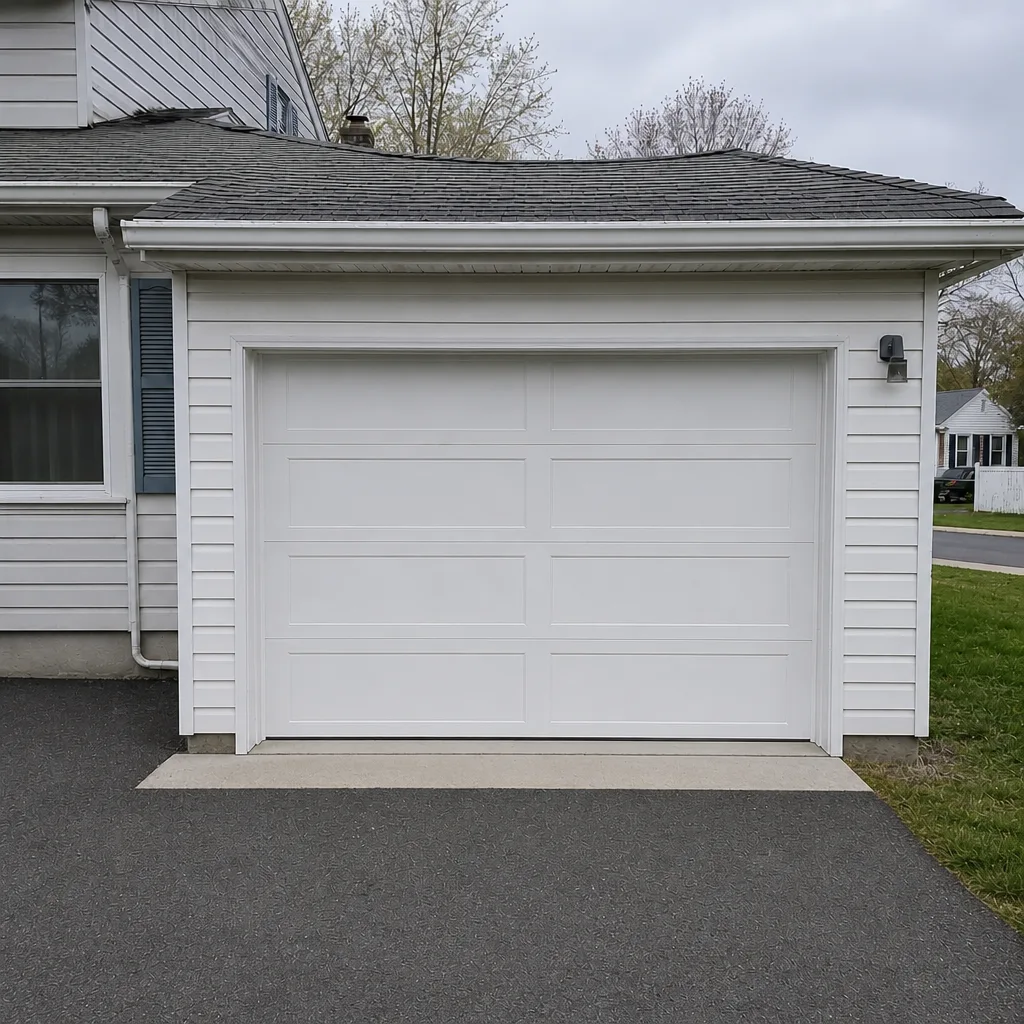 After
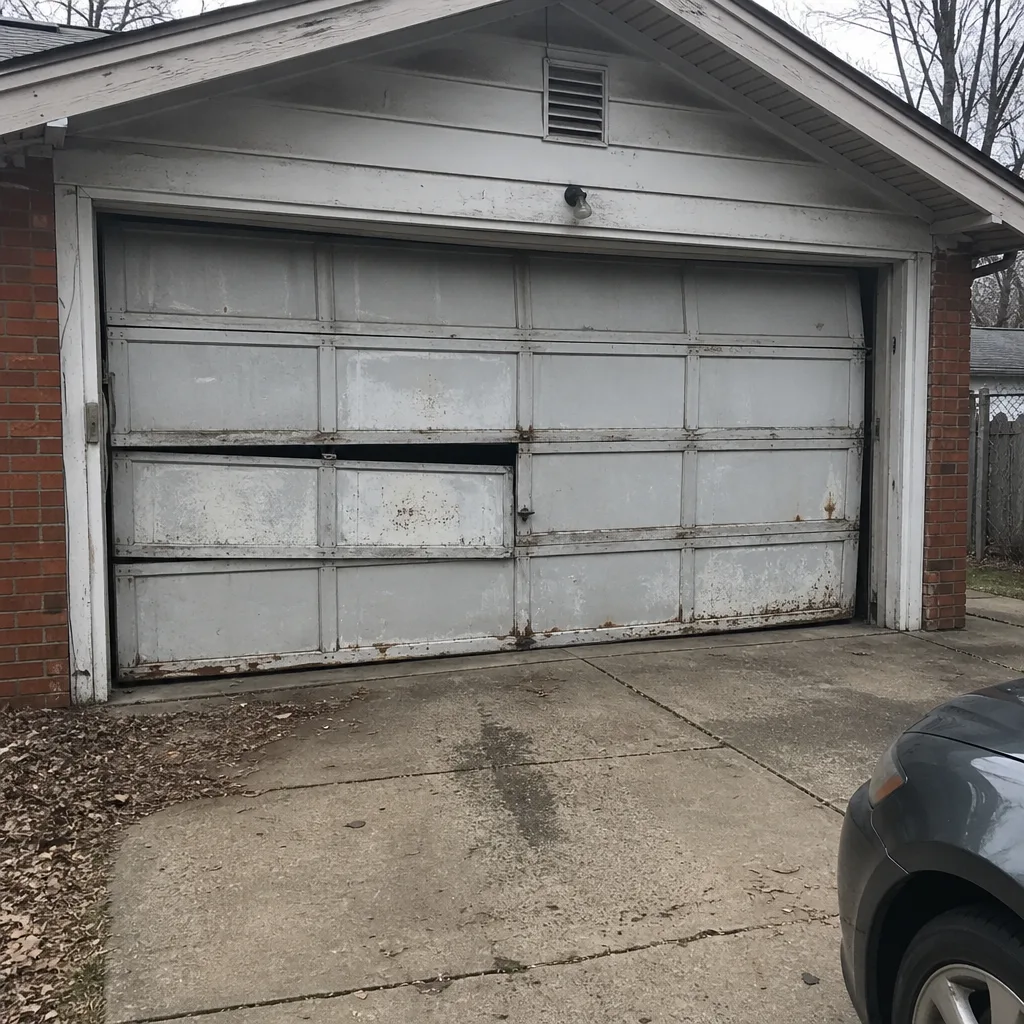 Before
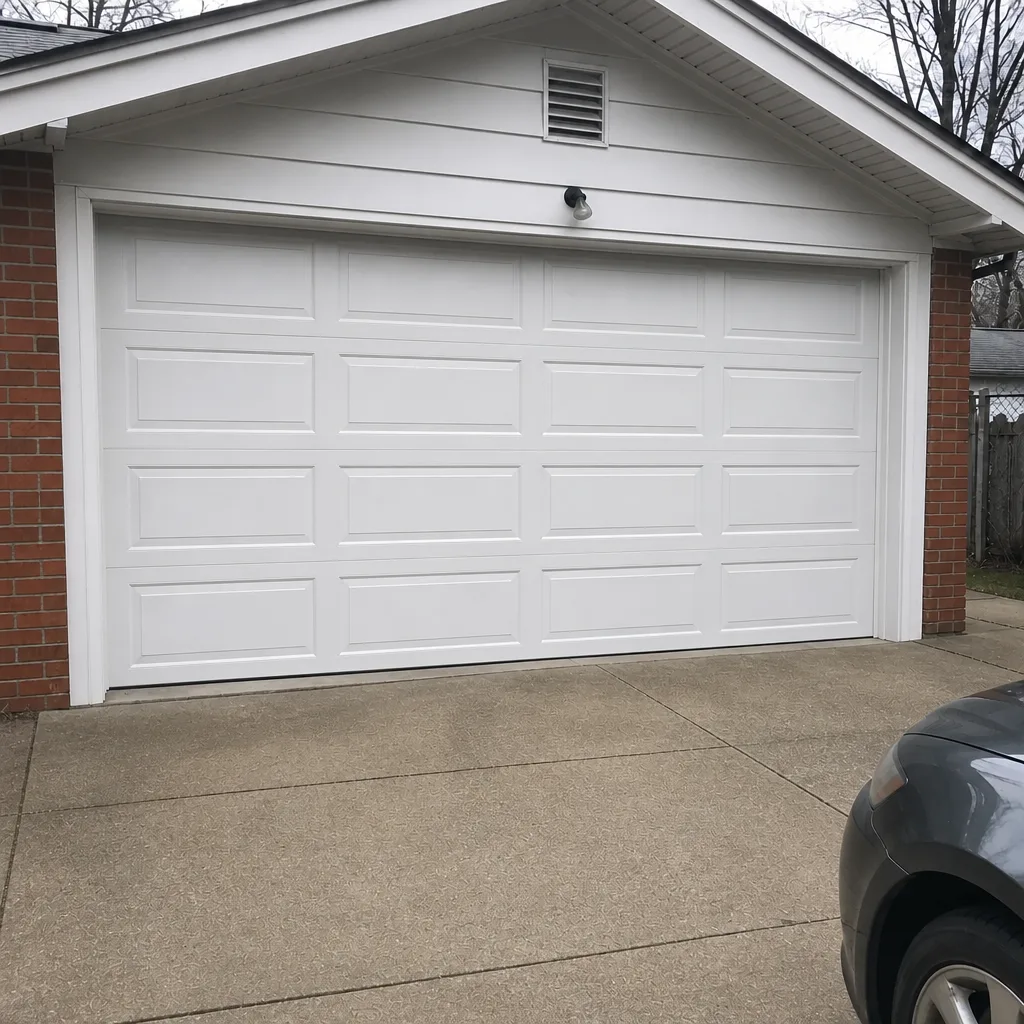 After
When to Call a Professional
Call a technician when the problem involves tension, when the door hangs unevenly, when any component emits a sharp bang, or when a fresh opener is starting to struggle. Those are the cases where a DIY attempt risks injury and where the wrong fix turns a small repair into a costly one.
We handle every brand we service, from a LiftMaster opener’s travel limits to a Clopay door’s panel alignment, so you aren’t calling around for a specialist. Same-day service is available for urgent failures and emergency calls, and free estimates are standard. Garage Door Repair Meriden offers free estimates in Meriden, call (833) 679-1963, and we’ll get you back up and running. We also work alongside homeowners who just want to talk through their options first; that’s free too.
Frequently Asked Questions
The two most common causes are dead remote batteries and misaligned safety sensors. Swap the battery first, then check that both sensors have steady lights. If the wall button works but the remote doesn’t, it’s the remote or the opener’s radio receiver. If neither works, the opener has lost power or the motor is failing. Call (833) 679-1963 for a free estimate, and we’ll narrow it down in a few minutes.
No. Torsion springs hold enough stored energy to cause serious injury, and they require specific tools and knowledge to wind safely. Extension springs are slightly less dangerous but still fail catastrophically if the wrong replacement is used. Spring repair is the one task that should always go to a technician. Call (833) 679-1963 to book a free estimate.
Expect a typical range rather than a single price, because it depends on the spring type and your door’s specific setup. Torsion and extension spring repairs are usually quoted separately, and a matched pair is typically replaced together. Call (833) 679-1963 for an exact quote on your door. Estimates are free, and the written price is agreed before any work starts.
It means the opener’s safety system is stopping the door. Nine times out of ten, a safety sensor is dirty, misaligned, or blocked by a cobweb or leaf. Clean and align the sensors and try again. If they’re already clean and lit, the opener’s travel-limit setting has drifted. That’s a five-minute technician adjustment and a common call we get in Meriden after a hard winter.
Yes, in nearly every case. The second spring has lived through the same number of cycles and is likely to fail within weeks. A matched pair also keeps the door balanced, which protects the opener and panels. Replacing one now and one later usually costs more overall. Call us for a free estimate on a pair replacement.
Yes. A hum with no door movement, a door that reverses randomly, or a remote that only works when you’re very close are all signs. So is a door that’s noticeably louder when it runs, which points to the opener working harder than it should. If you see two or more of these, get the opener checked before it quits entirely. Call (833) 679-1963 for a free estimate.
Yes. Freeze-thaw cycles in a Connecticut winter cause repeated contraction and expansion in the springs, tracks, and panels. That’s a harder life for the hardware than a stable climate. The smartest step is an annual service before the first freeze, and the second-smartest is calling at the first odd noise rather than the first real failure.
Yes. Emergency garage door service is a service we offer, and we get calls for exactly that scenario: a door stuck open after dark or a car stuck inside. Call (833) 679-1963 and we’ll do what we can to get someone out to you.
For a deeper look at our main services, see our Garage Door Repair Meriden overview, and for a specific visit to your home, garage door repair walks through the visit itself.
The Bottom Line
Garage door failures almost always build over months and finish quickly. The most useful thing you can do is watch your door’s sound and motion, note what changes, and stop running it the moment you see a red-flag combination. Safe checks like sensor alignment, roller inspection, and the manual-disconnect test will keep you out of trouble. Anything that involves springs, cables, or drums belongs in the hands of a technician, and calling early usually saves money as well as risk. Our technicians have up to 12 years of experience with every major brand we service. Call (833) 679-1963 for a free estimate.
Written by the team at Garage Door Repair Meriden.