Last updated November 21, 2026
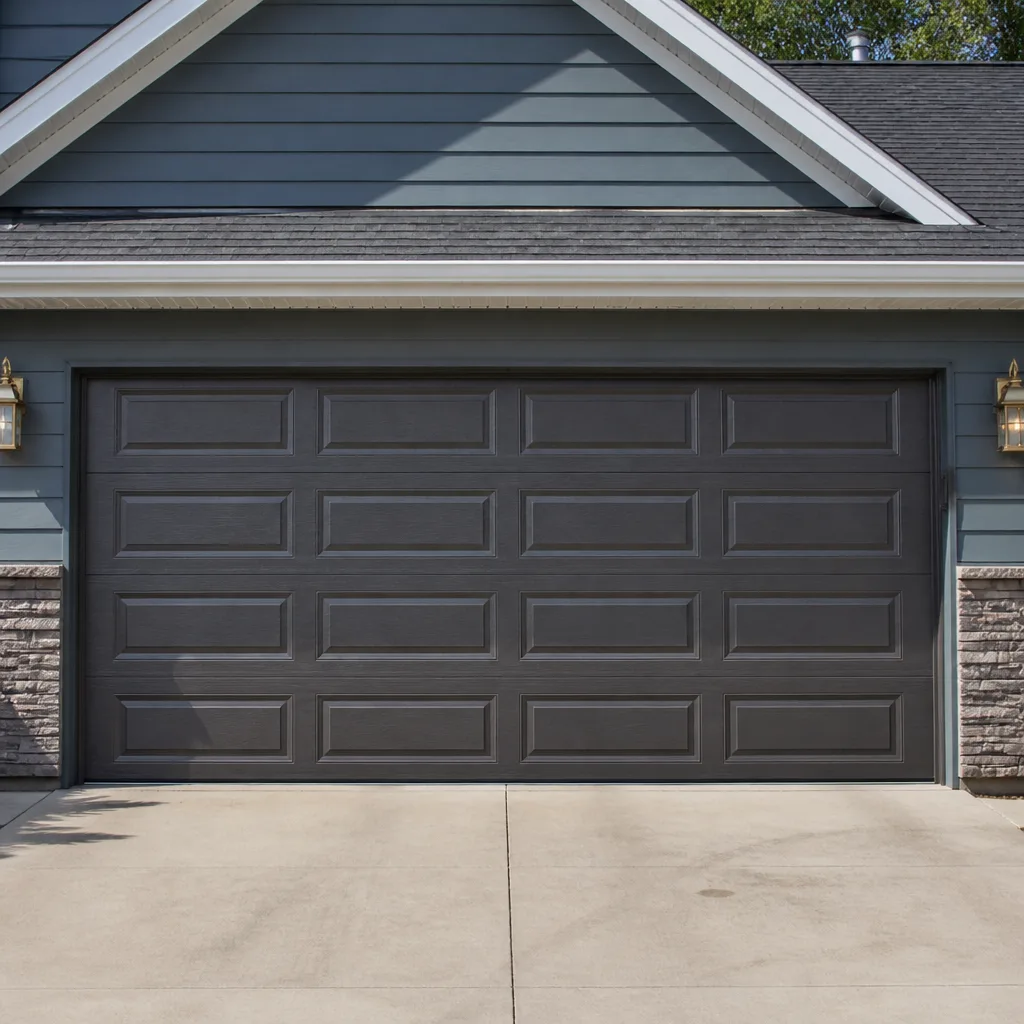 Raised-panel steel
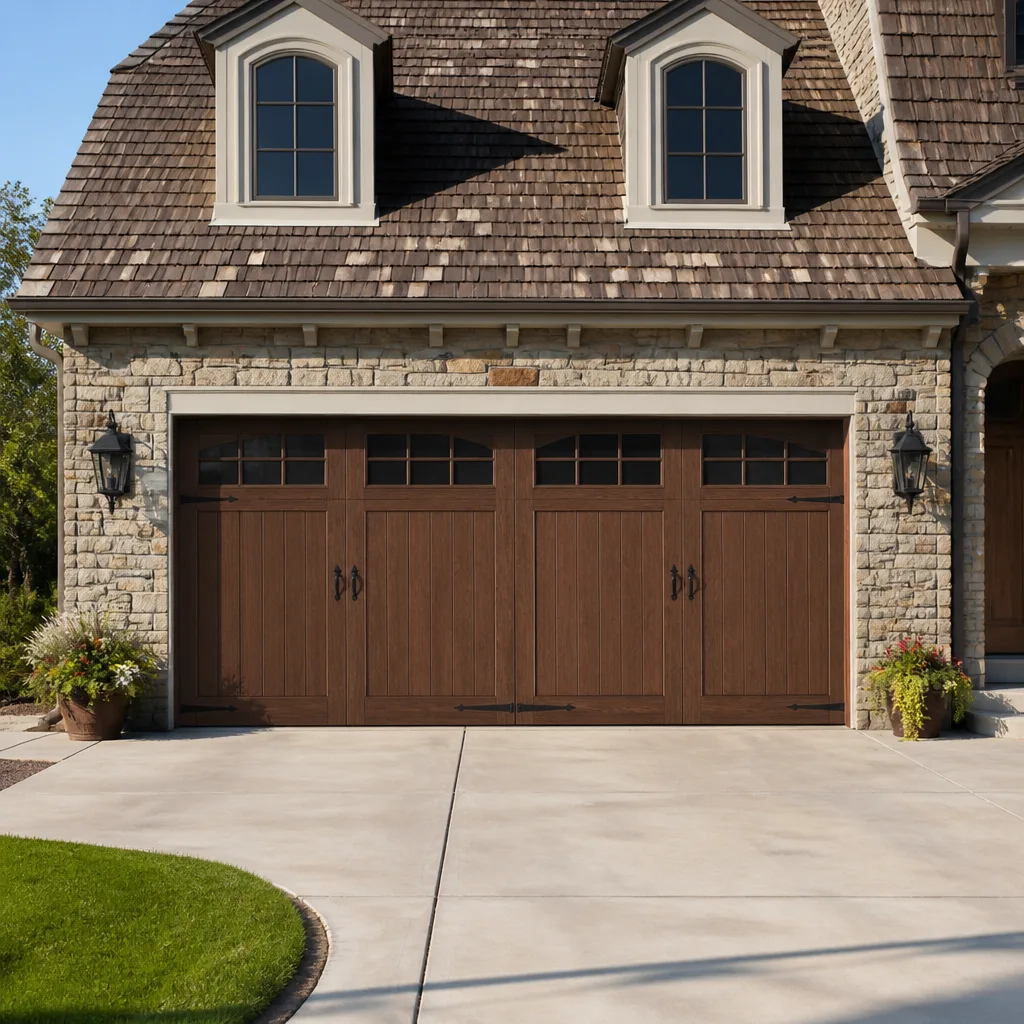 Carriage house
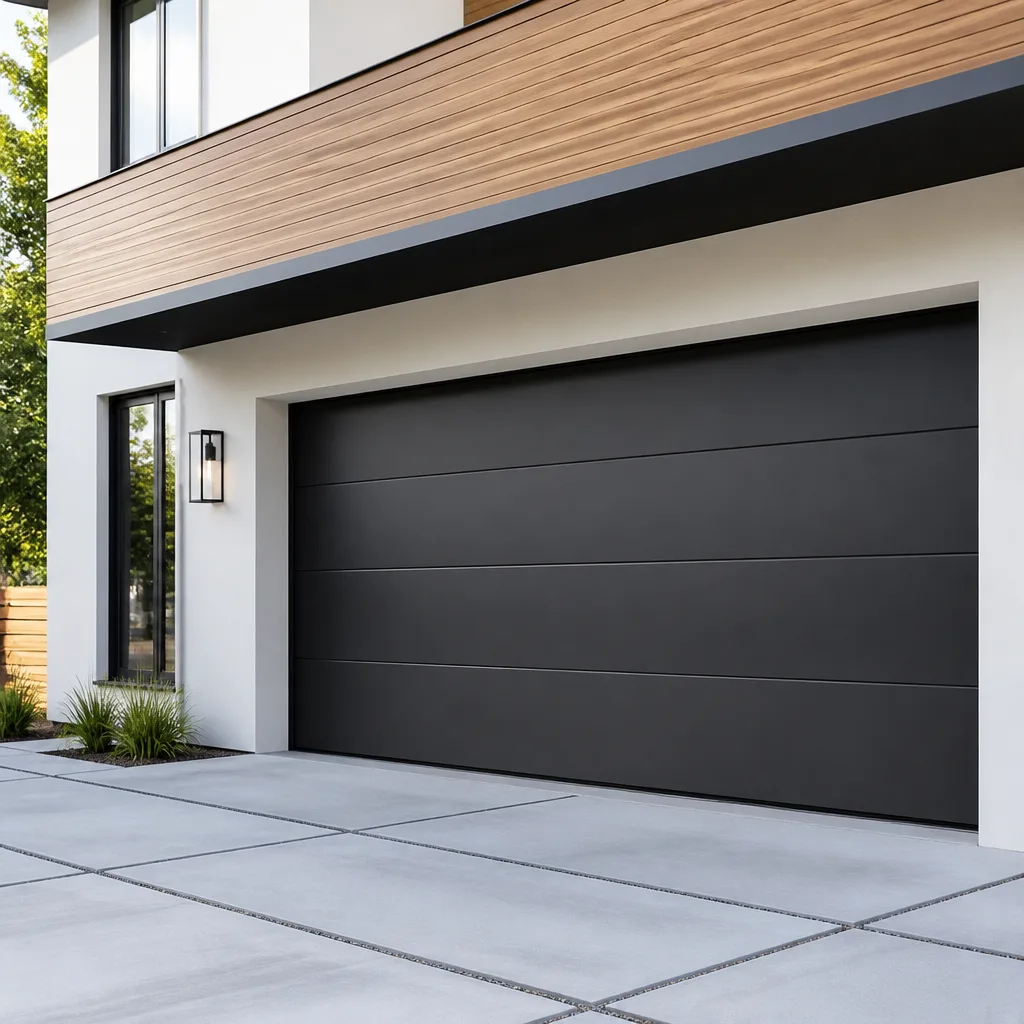 Modern flush
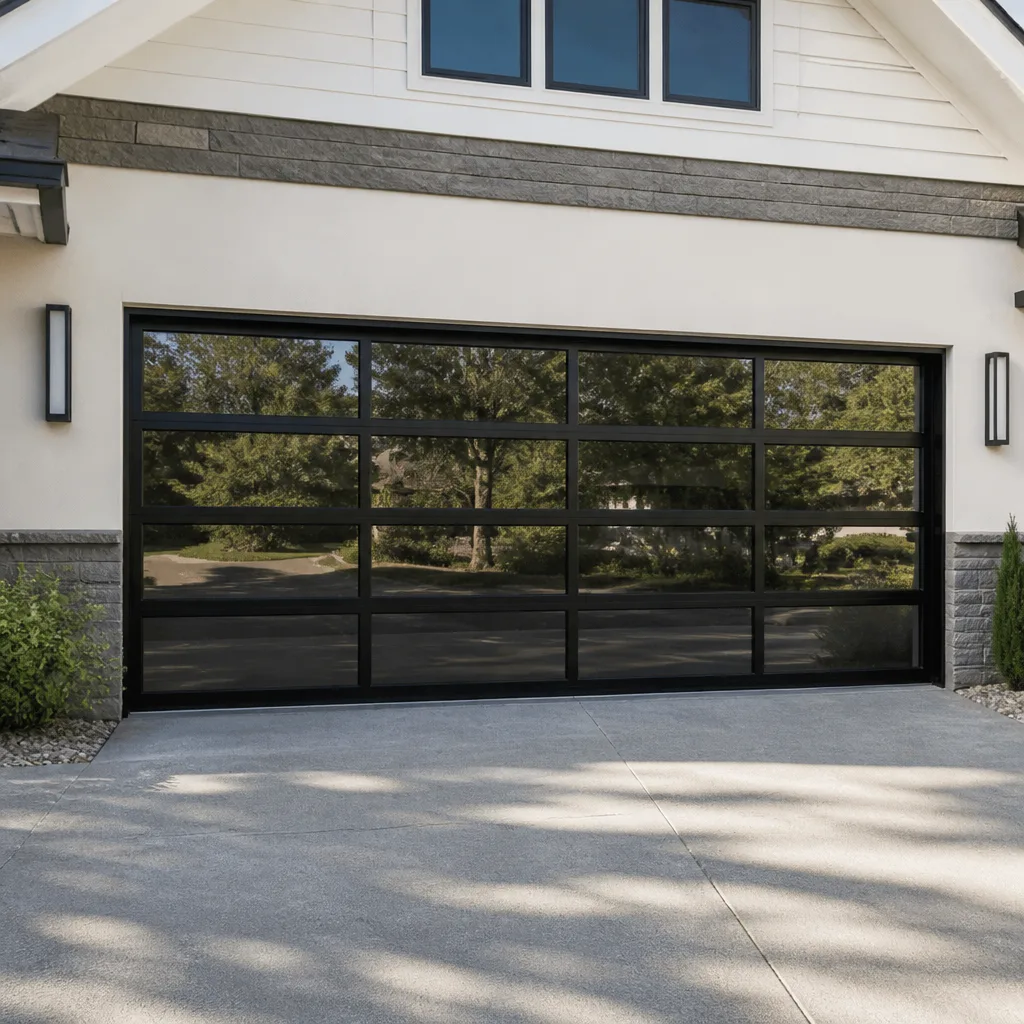 Full-view glass
 LiftMaster openers
 Chamberlain openers
Full 25-point door and opener safety check with every visit - springs, cables, rollers, tracks, and your LiftMaster or Chamberlain opener included
You get a price before we start. It does not change when the pro arrives.
Get your free estimateSeasonal Garage Door Care for Meriden: Year-Round Homeowner’s Guide
Most seasonal garage door advice gets written for a country that doesn’t exist – somewhere with four gentle seasons and no real winter. Meriden doesn’t work that way. Between the coldest nights of January and the muggiest afternoons of July, this city swings through more than 100°F of temperature change, and every one of those degrees pulls on the metal, rubber and springs of the door you open and close every day. A single spring tune-up and a can of lube won’t cover that range. What follows is a month-by-month map of what your door actually goes through in Meriden, CT – the freeze-thaw window, the humidity peak, the nor’easter months – and which tasks matter most when. By the end you’ll know exactly what to do, what to leave alone, and which season is the costliest one to skip.
Quick Answer
Seasonal garage door care in Meriden works best when it’s tied to the local weather calendar, not the general “spring cleaning” advice. The highest-risk moments for a Meriden door are the deep freeze of January and February (frozen bottom seals, cold-stiffened springs, opener strain) and the thaw that follows (frost heave pushing the ground under the door and shifting tracks). Summer humidity comes next, swelling wood panels and compressing seals. Prep in late fall, inspect hard in early spring, adjust in summer, and rank your fall checklist by impact.
Styles & brands we work with
- Raised-panel steel
- Carriage house
- Modern flush
- Full-view glass
- LiftMaster openers
- Chamberlain openers
Table of Contents
- Why Meriden’s Climate Wears on Garage Doors Differently
- Pre-Winter Prep: The Three Failures That Show Up in January and February
- Spring Thaw Inspection: Why the Weeks After Frost Heave Are the Riskiest for Tracks
- Summer Humidity: Wood Swelling, Seal Compression, and the One Adjustment That Stops Binding
- Fall Tasks Ranked by ROI: What to Do First When Time Is Short
- Cold Snap Triage: What to Do When the Weather Turns and You Haven’t Prepped
- The Meriden Garage Door Month-by-Month Calendar
- What Your Door’s Brand Tells You About Seasonal Care
Why Meriden’s Climate Wears on Garage Doors Differently
A garage door is a moving machine that lives outside. The panels, springs and track expand and contract with temperature, and in Meriden they do a lot of expanding and contracting. A door that fits perfectly in May can bind in February and rattle in July, not because anything broke, but because the metal it’s made of has changed size. The springs that hold the door’s weight lose lifting force as the temperature drops, so the opener has to work harder – on the coldest mornings, noticeably harder.
The sealing parts take the worst of it. A rubber bottom seal is designed to flex against the floor; freeze-thaw cycles harden it, crack it, and occasionally shove the ground underneath it out of level through frost heave. When the ground moves, the door’s framing stays put and the gap opens up. That’s the pattern Meriden homeowners run into every year, in every kind of housing stock – the older two-car garages near downtown, the 1950s-70s builds on the city’s edges, the newer developments toward South Meriden and the Westfield area. The climate is the same; the door ages differently depending on what it’s made of and how much it moves.
Which is why the seasonal guide that follows is organized around weather, not around a generic checklist. The point isn’t to remember to lubricate the hinges once a year – it’s to know which weeks matter most for which part.
The Meriden weather calendar in one paragraph
Late fall is prep season: the last comfortable window to seal, lubricate and adjust before winter sets in. January and February are deep-freeze months – the coldest stretch and the timeframe when a cold-stiffened spring or a frozen bottom seal becomes an emergency. The thaw that follows is the highest-risk time for track misalignment, because that’s when the ground under the floor moves. Summer is the humidity peak, hardest on wood doors and seals. Fall returns, and the cycle repeats. Every task in your garage door routine slots into one of those windows.
Pre-Winter Prep: The Three Failures That Show Up in January and February
Experience in Meriden points to three failures that dominate deep-freeze service calls in January and February. Every fall, these are the same three problems that get missed.
1. Frozen bottom seals
The bottom seal is the rubber strip along the base of the door. When moisture collects under it and freezes overnight, the seal can weld itself to the concrete. On the next lift, the opener pulls hard, and either the door doesn’t open or the seal tears. In some cases the door opens and leaves the seal behind on the floor. Pre-winter, the fix is to clear leaves and debris from the threshold, check the seal for cracking or stiffening, and replace it if it’s past its life. That’s simple preventive work and cheaper than the tear-out that follows.
2. Over-tensioned springs in cold weather
Garage door springs are calibrated to lift the door’s weight. As the metal gets cold, it stiffens, and the spring’s ability to counterbalance the door can drift out of spec. This means the opener is straining on every cold-morning lift, and the spring is under more stress than it was designed for. It also means the door feels heavier than it should. Before winter, a professional adjustment ensures the spring tension is balanced for the weight of the door, not for a mid-summer condition.
We’ll say it plainly: torsion springs and the cables around them are the most dangerous components on the whole door. We never recommend a homeowner touch them. Tensioned springs can cause serious injury in a fraction of a second, and a badly released torsion spring is not something you can correct afterward. This is the number-one item to have checked by a professional in fall, not in January when it’s already given out.
3. Opener motor strain
The opener’s motor has to do more work in winter because the door is heavier and the tracks are stiffer. If your opener is a LiftMaster, Chamberlain or similar model, listen for the sound of the motor in cold weather. A unit that grinds, hums louder than usual, or triggers the auto-reverse on the way down is telling you it’s nearing its load limit. Fall maintenance should include checking the opener’s force settings and lubricating the moving parts it drives.
The fall pre-winter checklist
- Clear debris from the threshold and check the bottom seal for cracks or hardening.
- Lubricate hinges, rollers, and the spring with the manufacturer-recommended lubricant (never grease that attracts dust).
- Check spring balance: with the door half-open and the opener disconnected, the door should hold in place, not drift down.
- Test the opener’s auto-reverse with a small object on the threshold.
- Look for gap at the bottom of the door on a bright day – visible daylight means a sealing problem before winter arrives.
- Book a professional inspection for anything on the spring or track that looks off.
Spring Thaw Inspection: Why the Weeks After Frost Heave Are the Riskiest for Tracks
After the ground has frozen and then thawed, it doesn’t go back to exactly where it started. In Meriden, the weeks after the frost heave are when a lot of garages show track misalignment – the door runs rough, the rollers scrape, and the door doesn’t sit flush against the opening. That’s not because the door changed. The floor beneath it did.
The upward force of expanding ice under a garage floor or driveway apron can push a track out of vertical by a fraction of an inch, and a fraction of an inch matters. A track that’s out of alignment puts side-load on the door as it travels. Over a month of daily opening, that side-load bends rollers, wears the hinge plates, and sometimes drags the door against the frame. Left alone it will eventually push rollers off the track, and that’s when the door can become jammed or fall out of the opening.
What to check in the spring
- Vertical tracks: look down the length of each track – it should be straight, not bowed or leaning.
- Horizontal tracks: check that both run parallel and sit at the same height.
- Rollers and hinges: look for wear, flat spots, and loose plates.
- Bottom seal and floor contact: daylight visible under the door after the thaw points to a seal that needs replacement or a track that needs adjustment.
- Opener operation: the door should travel smoothly and stop flush at both limits. Any binding on the way up or down is a sign of track pressure.
Spring is the best time of year for a full inspection, because the ground has settled and the weather is mild enough to work on the door without gloves. It’s also when the worst damage from winter is visible. If the door is running rough after the thaw, garage door repair work on the tracks and rollers now prevents bigger problems come summer. Catching a track problem at the thaw is a small adjustment; missing it for a season is a full hardware replacement.
Summer Humidity: Wood Swelling, Seal Compression, and the One Adjustment That Stops Binding
Meriden summers bring humidity that wood doors feel immediately. Wood absorbs moisture, swells across the panel, and pushes against the frame. On a humid week, a wooden garage door can swell enough that it binds at the edges – the door sticks partway up, the opener groans, and the bottom seal compresses harder against the floor. Left alone, a binding door wears out its opener faster and stresses the spring as the door doesn’t travel freely.
This is also the season when weather seals and gaskets compress. Heat softens the rubber, it flattens against the door’s perimeter, and by August the seal that kept out drafts in March is loose in the frame. The fix isn’t complicated, but timing it right matters. A seal that’s compressing in summer should be adjusted or replaced in a mild window, not in the middle of a heat wave when the door is swollen and the adjustment won’t hold.
The one adjustment that stops binding: the top bracket and the weatherstrip gap
The specific adjustment that solves summer binding is not a general “loosen the hinges” fix. On most residential doors, binding in humid weather traces to the top bracket and the weatherstrip gap – the door is swelling against the weatherstrip and the top bracket is holding it too tight. A small adjustment to the top bracket (and, when needed, re-seating the weatherstrip with a slightly larger gap) gives the door room to move as the wood swells, so it doesn’t drag.
The alternative is what a lot of homeowners do without thinking: pushing the door by hand or adjusting the opener’s force setting to compensate. That works for a week, then the opener’s motor is doing more work than it’s designed for, and by fall the opener is failing. If you open your garage door in summer and it feels heavier than in spring, that’s the adjustment window.
Summer care for steel and aluminum doors
Metal doors don’t swell the way wood does, but high humidity still has an effect: it causes surface rust on the steel bottom panels if the paint is chipped. Wood doors bind; steel doors rust at the seam where the bottom section meets the ground. A coat of touch-up paint on any chipped spots in late summer prevents rust from creeping up the panel. If your door is a Clopay or Amarr steel model, inspect the bottom section first – that’s where rust starts.
Fall Tasks Ranked by ROI: What to Do First When Time Is Short
A lot of maintenance guides list ten things to do in fall and assume you’ll do all ten. In practice, most homeowners have a Saturday afternoon, not a weekend. Here’s the fall list ranked by what actually prevents the biggest and most expensive failures in Meriden’s winter weather:
- Check the springs and book a professional adjustment. This is the highest-value item by far. A cold-failed spring is the biggest winter emergency, and the danger of a homeowner adjusting it makes this the automatic do-first task. If the door still runs smoothly after last winter, a fall professional check confirms the spring is in spec for cold weather. garage door spring repair is what becomes necessary when this is skipped.
- Replace or seam the bottom seal. The second-highest ROI task. A cracked seal admits cold air, admits moisture, and freezes to the floor. It’s inexpensive and prevents an emergency call in January.
- Test the opener force settings and auto-reverse. Openers work harder in cold weather. A quick test of the auto-reverse and a listen for unusual grinding tells you if the opener is near the edge. If it is, garage door opener repair in fall is a routine appointment, not an emergency.
- Lubricate the moving parts. Hinges, rollers and the spring need a light, manufacturer-recommended lubricant before the cold sets in.
- Check the track for straightness. A bowed track will bind worse in cold weather. Straightening before winter prevents a jam in February.
- Clear the garage floor and threshold. Leaves and debris under the door freeze into the seal and then tear it off on the next lift.
If you only have time for two of these, do the first two. A protected spring and a clean seal solve the failures we see most often in Meriden’s January and February, and both are cheap compared to a mid-winter emergency repair.
Cold Snap Triage: What to Do When the Weather Turns and You Haven’t Prepped
Not everyone preps. Sometimes the first cold snap arrives before the fall checklist. Here’s the rapid sequence for the worst winter scenarios – a frozen door, a failed opener, a stuck spring – not to fix it yourself, but to protect the system until a specialist can get there.
Step 1: Identify the failure
- Door won’t move at all: listen for the opener’s motor. If it runs and the door doesn’t move, the spring has likely failed (the motor is trying to lift dead weight). If the motor hums and stops, it’s either a force setting or a track jam.
- Door opens but stops partway: track misalignment or a failing roller, not a spring.
- Door won’t close and reverses: a blocked safety sensor or a bottom seal that’s frozen to the floor. On very cold mornings, frost on the floor can register as an obstruction.
Step 2: Keep the door closed if the spring has failed
If the spring is broken, the opener is trying to lift the full weight of the door. Don’t keep operating it. The risk of a door slamming down or a motor overheating outweighs any benefit of trying to open it. Close the door gently by hand if it’s safe, or leave it as it is and call. In a winter garage, the closed door is also the house’s heat barrier, so a door that’s stuck open needs attention fast.
Step 3: De-ice the threshold without forcing the door
If the bottom seal is frozen to the floor, don’t force the door up with the opener or by hand. A forced lift tears the seal and can damage the bottom panel. De-ice the threshold carefully with a product that won’t damage the concrete, then lift the door by hand once it’s clear. Never pour hot water on a frozen steel door – the thermal shock can crack the paint and warp the panel.
Step 4: Call for emergency service
A cold-snap failure is exactly the scenario where emergency service matters: the door won’t close at night, the door won’t open before work, or the spring gives out in a freeze. Call (833) 679-1963 and describe what’s happening. Emergency garage door service exists for exactly these moments, and getting a technician out quickly is safer than waiting until a routine appointment is available. Don’t try to force a frozen door, touch a tensioned spring, or “help” the opener with a pry bar. A specialist who arrives in an hour is worth more than a snowbank and a stuck door.
The Meriden Garage Door Month-by-Month Calendar
Here’s the whole guide condensed into a calendar you can actually hang on the garage wall. This is a general weather calendar, not a schedule – shift it if the season runs early or late.
- September-October: Pre-winter prep. Seal check, lubrication, opener test, spring inspection by a professional, track check.
- November: Last window for outdoor adjustments. Replace the bottom seal if it’s borderline. Clear the threshold for winter.
- December: Keep an eye on the first cold mornings. If the door runs noticeably heavier in cold weather, that’s the opener telling you something.
- January-February: Deep freeze. Watch for frozen seals, listen to the opener, don’t operate a door with a broken spring. Emergency service is the right call for a door that won’t close.
- March-April: Post-thaw inspection. Check tracks, rollers, seals and the bottom gap. This is the highest-risk window for track misalignment caused by frost heave.
- May-June: Summer adjustment for wooden doors. Inspect the top bracket and weatherstrip gap. Touch up paint on steel doors.
- July-August: Humidity peak. Watch for binding; book the top bracket and weatherstrip adjustment if the door feels heavier. If the opener is straining, get it checked before fall.
You’ll notice there’s no “just check everything once a year” month in that calendar. In Meriden, the door is under different stress in February than it is in July. Treating it like one annual chore means the problems caused by the two biggest weather swings land on the door between checkups.
What Your Door’s Brand Tells You About Seasonal Care
Most of the seasonal advice holds no matter what door you have, but the parts that wear and the way the opener behaves do vary by brand. Our technicians have up to 12 years of experience, and we’ve worked on every one of the major brands a Meriden homeowner is likely to have – Craftsman, Raynor, LiftMaster, Chamberlain, Genie, Clopay, Amarr and Wayne Dalton. Knowing which brand you’re dealing with helps us diagnose faster and get the right part the first time, especially in a cold-weather emergency when you don’t want a “come back with the part” delay.
A few brand-specific notes for the seasonal calendar:
- Craftsman and Genie openers: these are common in Meriden garages, and in cold weather they respond to force settings that are set a bit high from years of use. A fall opener check catches that strain before winter. A dead Craftsman opener in January is a typical emergency call, and it’s largely preventable.
- LiftMaster and Chamberlain: if your opener is a smart-home model, check its safety sensor behavior at cold temperatures – frost on the beam path can trigger the auto-reverse. Some models also show a diagnostic code on the control panel when the door is straining, so it’s worth checking the code before winter rather than after.
- Raynor, Clopay, Amarr, Wayne Dalton: these are common door brands, and the seasonal care for each is driven by the material – wood swelling, steel rusting at the bottom panel, hardware loosening as the metal expands. The brand matters less than the inspection each fall.
If you’re not sure what brand your door or opener is, the label on the opener and the manufacturer’s mark on the door panels will tell you. Bringing that information to the estimate helps the technician plan the right work.
Common Mistakes to Avoid
- Adjusting the opener’s force setting to compensate for a heavier door. A door that opens harder in winter is telling you the spring is struggling, not the opener. Raising the force limit makes the motor work harder and pushes a service call closer.
- Treating the spring like a tensioned rubber band you can “fix” yourself. Torsion springs on a Meriden door are under enormous tension and are the most dangerous component of the whole system. Winding or adjusting them without training can cause serious injury. Call us for spring work.
- Skipping the bottom seal and assuming it’s still good. A seal can look fine from standing height while it’s cracked underneath. In winter it becomes a cold-air leak and a frozen block. Inspect it closely each fall.
- Ignoring track alignment after the thaw. The ground shift after frost heave is the single most common cause of a bound door in Meriden’s spring. Inspecting in March is the cheapest fix you’ll ever do.
- Using WD-40 or generic grease on the hinges and rollers. Silicone-based or manufacturer-recommended lubricant is what those parts are built for; grease attracts dust that grinds into the rollers.
- Assuming humidity doesn’t affect a steel door. Steel doors rust at the bottom panel where moisture collects, and a chipped paint spot in July becomes a rust seam by October. Touch up before summer ends.
- Waiting for January to call an emergency line when the door has been running rough since November. A fall opener or spring check is far cheaper than a mid-freeze emergency call, and it’s a normal appointment.
See the difference
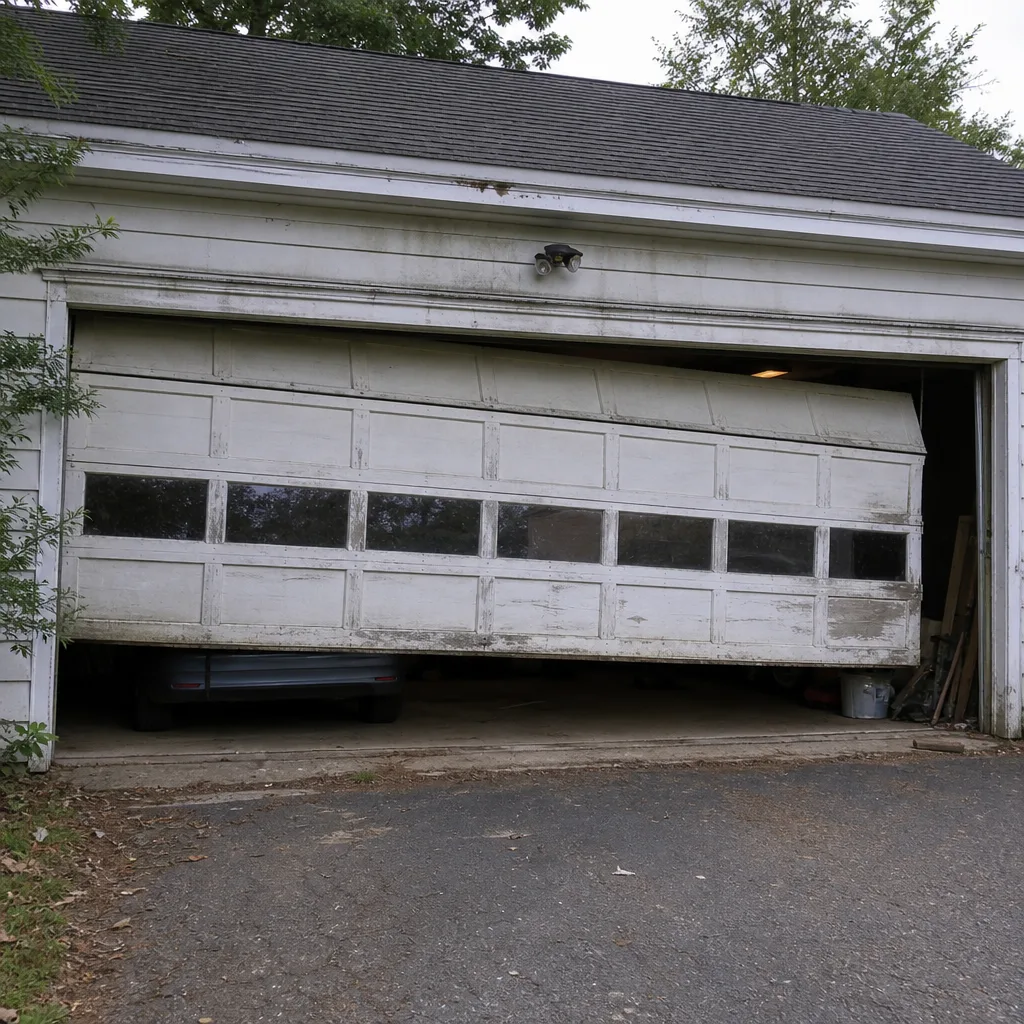 Before
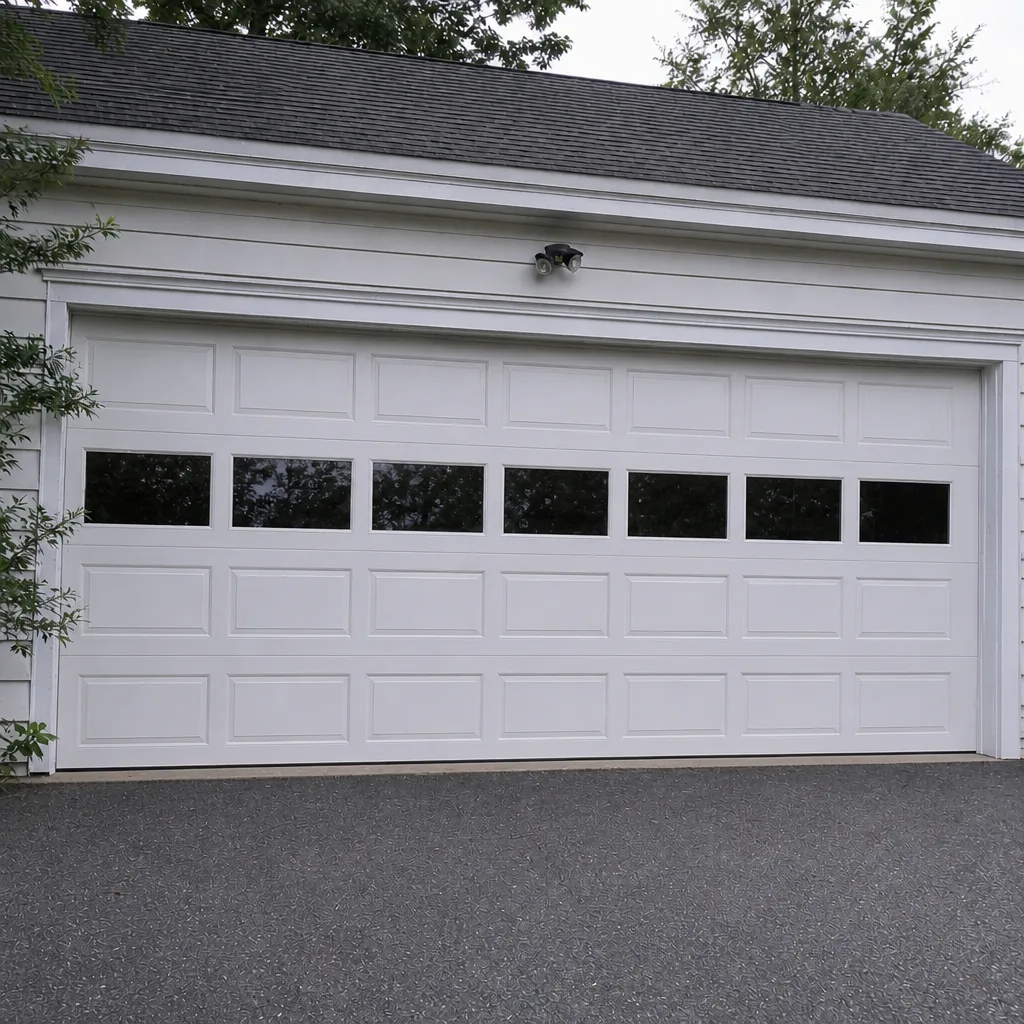 After
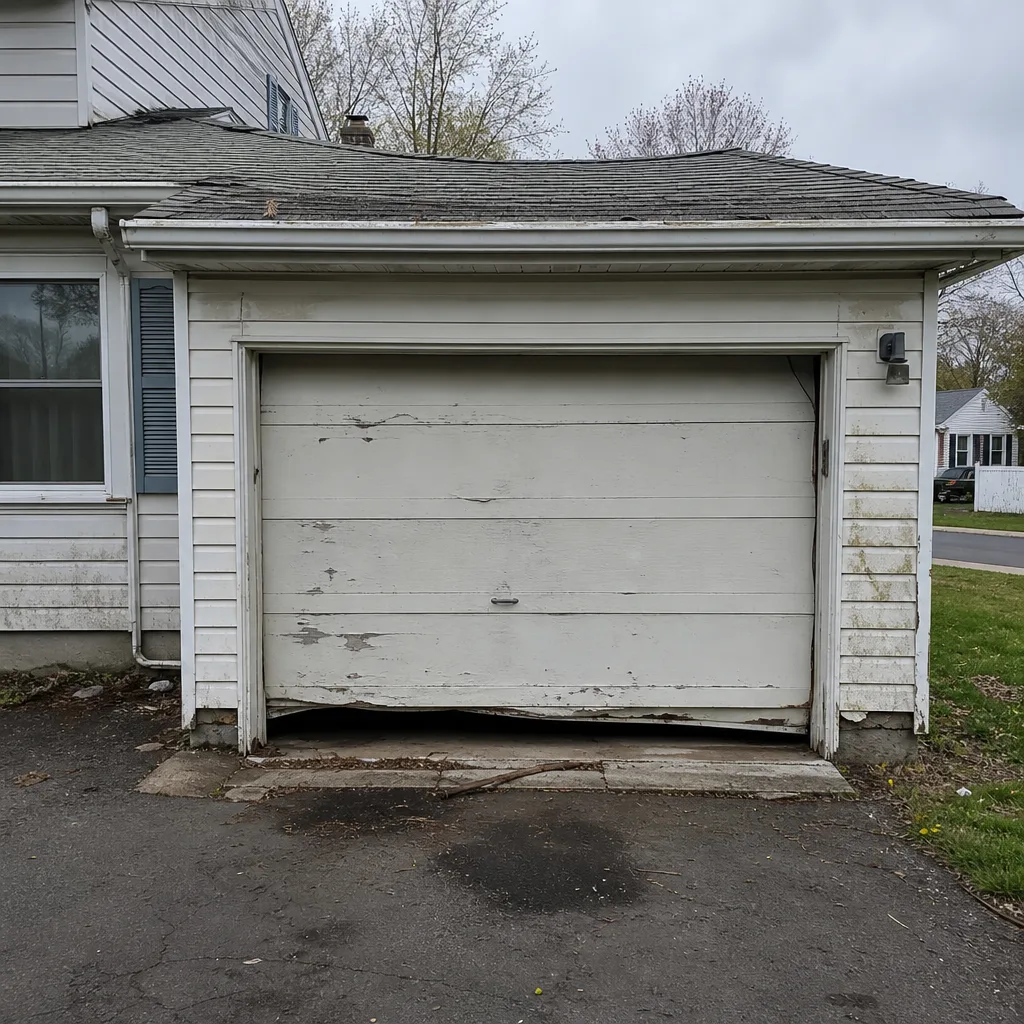 Before
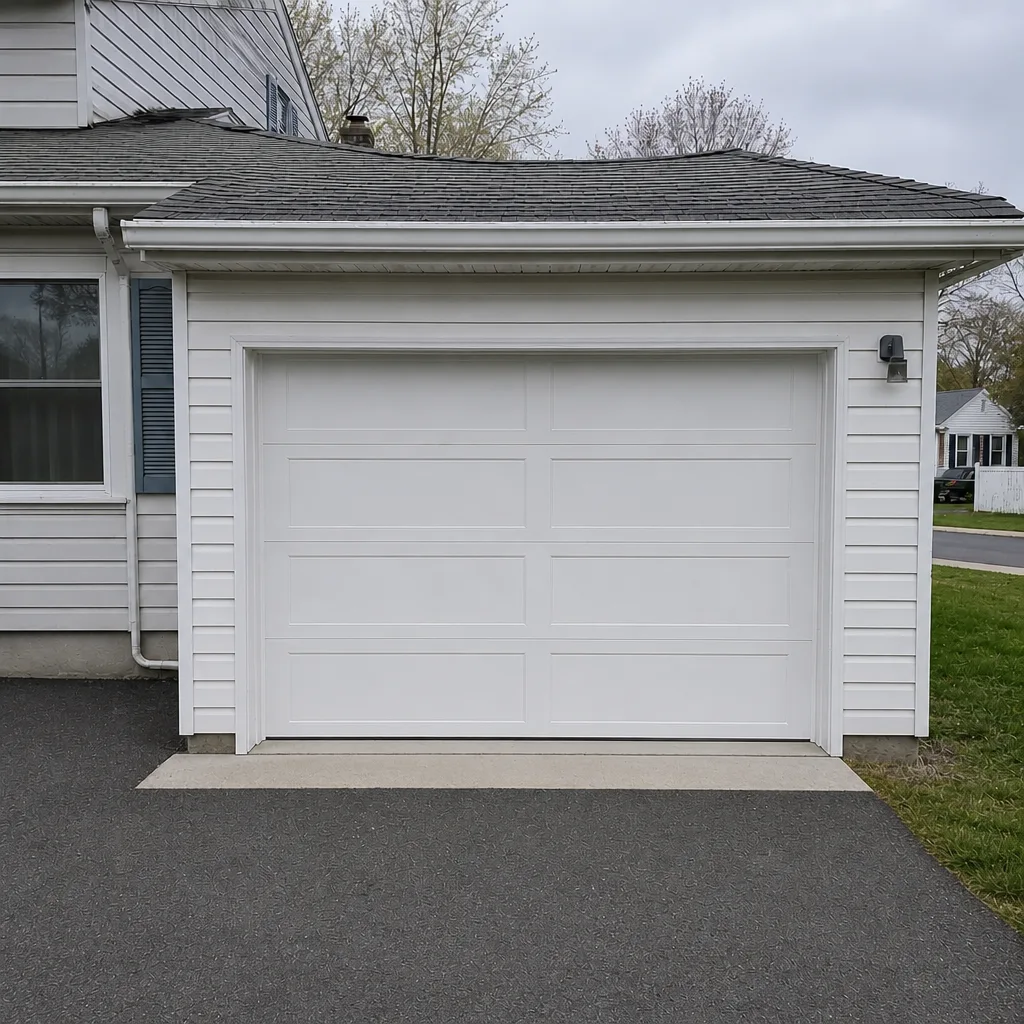 After
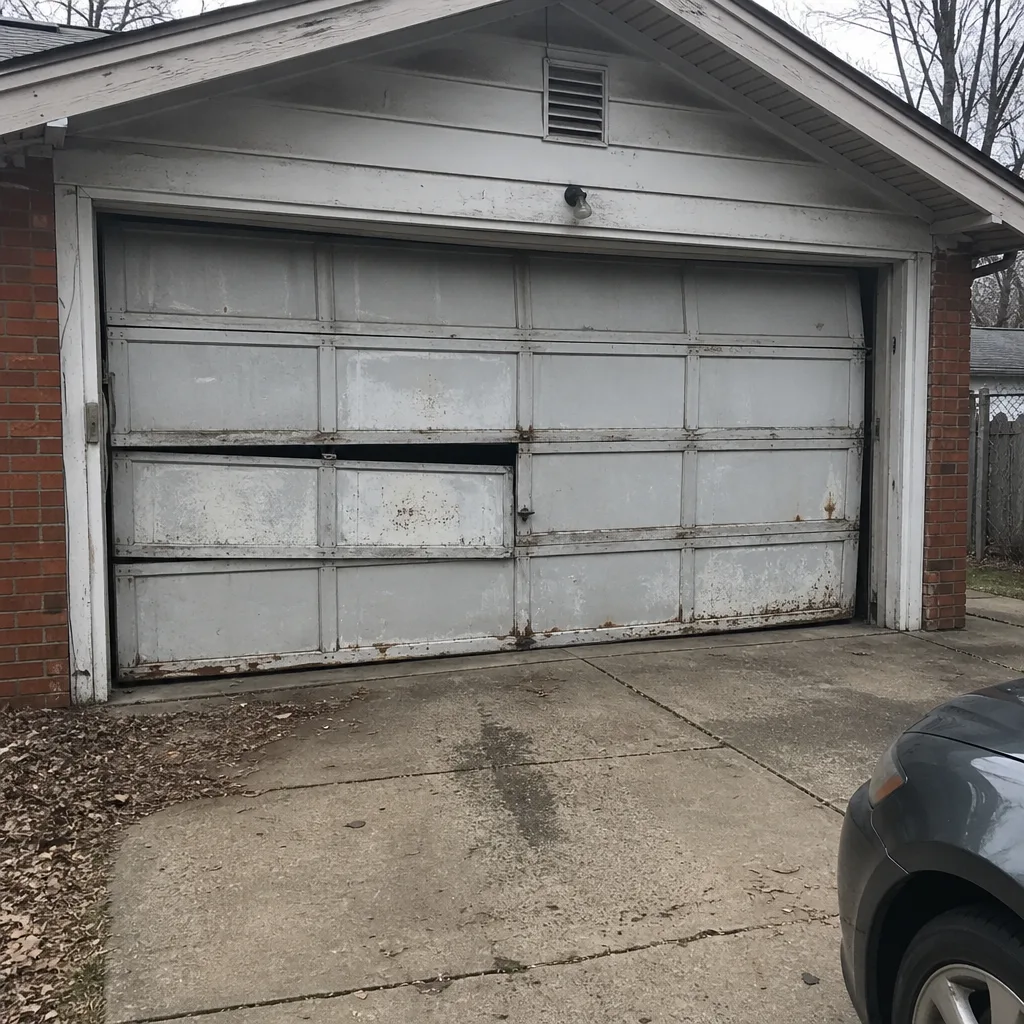 Before
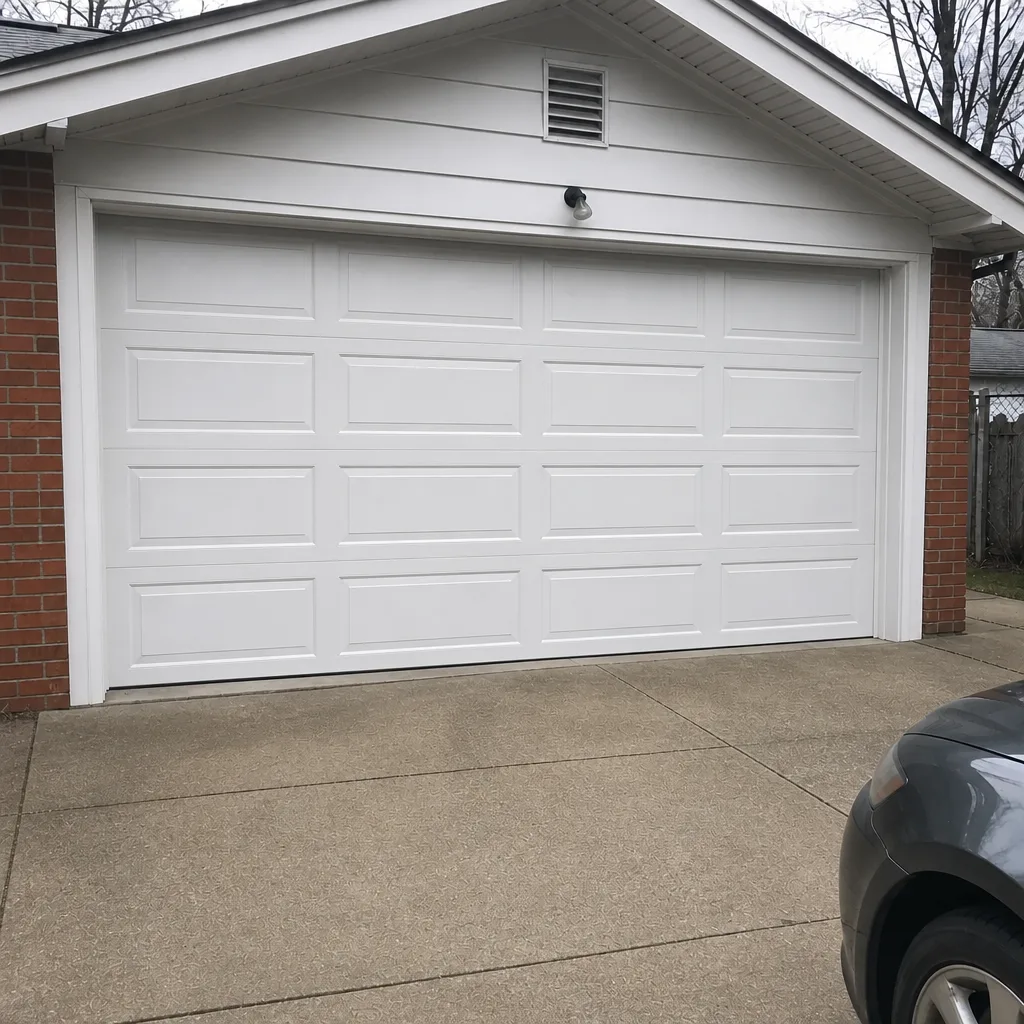 After
When to Call a Professional
Some garage door maintenance is safely homeowner work: clearing the threshold, lubricating the hinges, checking the seal by eye, and testing the auto-reverse. Other items belong to a specialist. Call us if any of these are true: the door binds, jerks or reverses on its own; the spring has snapped or the door won’t lift; the opener is grinding, humming without moving, or is overworking in cold weather; the tracks are bent or the door has moved out of the opening; the door won’t close at all; or the bottom seal needs replacement and you’re heading into winter. When a cold snap has already hit and the door is stuck, call (833) 679-1963 – emergency service exists for the situations that can’t wait for the next routine appointment. For everything else, a fall or spring checkup is the right move. Garage Door Repair Meriden offers free estimates in Meriden – call (833) 679-1963. The written estimate sets the price before any work starts, so you’ll know the number before we begin.
Frequently Asked Questions
Seasonal maintenance is usually a small appointment rather than a line-item cost – a professional inspection covering springs, tracks, rollers, seals and the opener falls in a modest range, with any needed repairs quoted separately. A bottom seal replacement is typically inexpensive, a spring adjustment is a bigger cost, and a full spring replacement runs higher. We quote every job before work starts, so the price you agree to is the price you pay. Call (833) 679-1963 for an exact quote – estimates are free.
Late fall (September through November) is the best time, because you’re getting the door ready for the deep freeze, which is the highest-risk season. A spring inspection is the most important step. If you miss fall, an early-spring check right after the thaw is the second-best window – that’s when track problems from frost heave show up.
Yes. Cold stiffens the spring’s metal and changes its tension, and a spring that’s already near the end of its life is more likely to fail in January or February than in July. That’s why the pre-winter spring check matters. If a spring breaks in cold weather, don’t operate the door – call for emergency service rather than trying to lift it.
Usually it’s the spring. Cold metal loses lifting force, so the opener has to work harder. If the door feels noticeably heavier in winter, the spring likely needs adjustment or replacement. A trained technician can tell the difference in minutes. Don’t raise the opener’s force settings to compensate; that just pushes the motor closer to failure. Call (833) 679-1963 for a quote.
You can safely lubricate the hinges and rollers with a manufacturer-recommended lubricant and test the auto-reverse. You should not adjust or replace the springs or the cables – those are the highest-tension parts of the door and can cause serious injury. Track adjustments are also best left to a professional if the door is binding. We’ll be happy to quote the work.
Yes, especially on wooden doors. Wood swells in humid weather, binding against the frame and stressing the opener. A small adjustment to the top bracket and weatherstrip gap gives the door room to swell without dragging. If you notice your door feels heavier in July than in April, that’s the adjustment to book.
The Bottom Line
The short version: in Meriden, the garage door’s two hardest seasons are winter (deep freeze) and the thaw that follows it. Fall is your prep window – check the spring professionally, replace the bottom seal, test the opener. Spring is your inspection window – check tracks after frost heave. Summer is the adjustment window for wooden doors and humidity. If you do only two things all year, protect the spring and the seal before winter. When the unexpected happens, call a specialist rather than force the door. Our technicians are experienced across every major brand, including LiftMaster, Chamberlain, Craftsman and Raynor, and we can quote repair, spring work, opener work or a new door from one company. Call (833) 679-1963 for a free estimate – the written quote is agreed before any work starts.
Written by the team at Garage Door Repair Meriden.