Last updated November 21, 2026
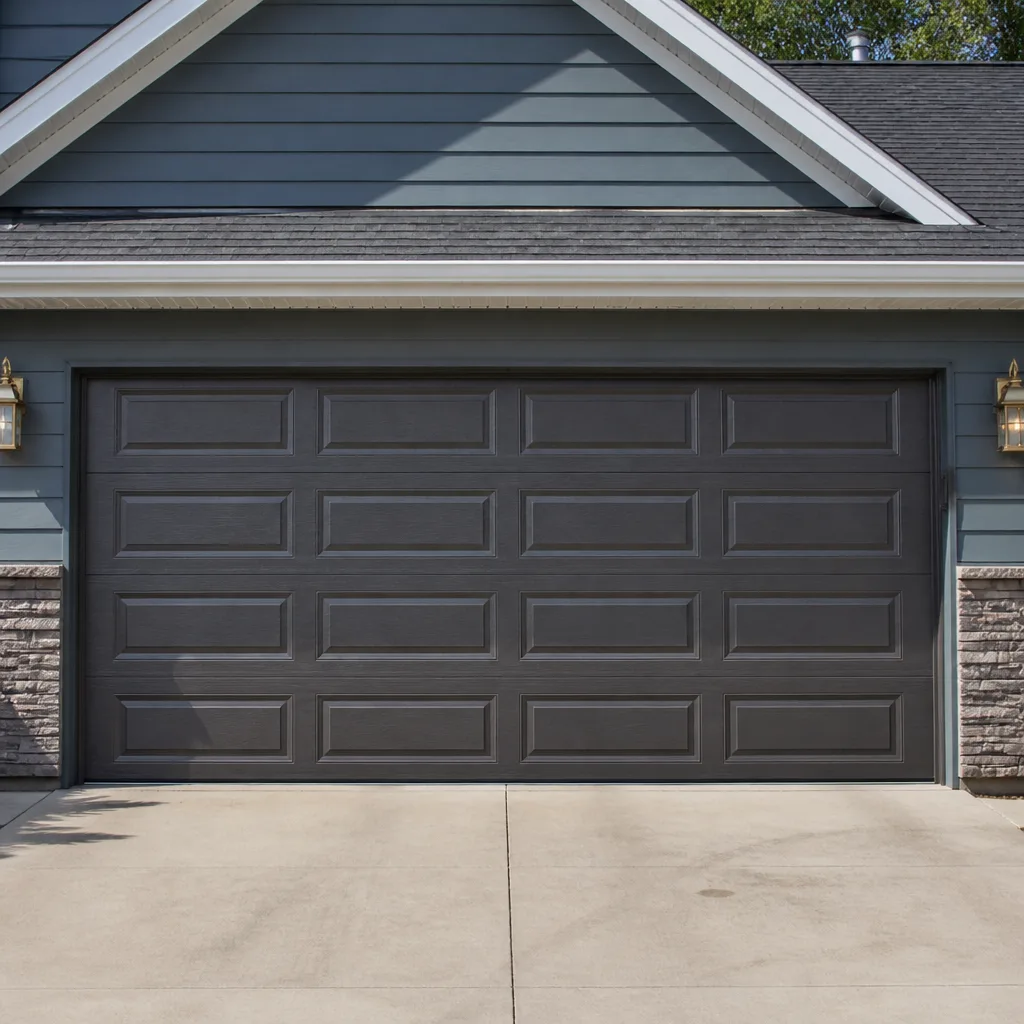 Raised-panel steel
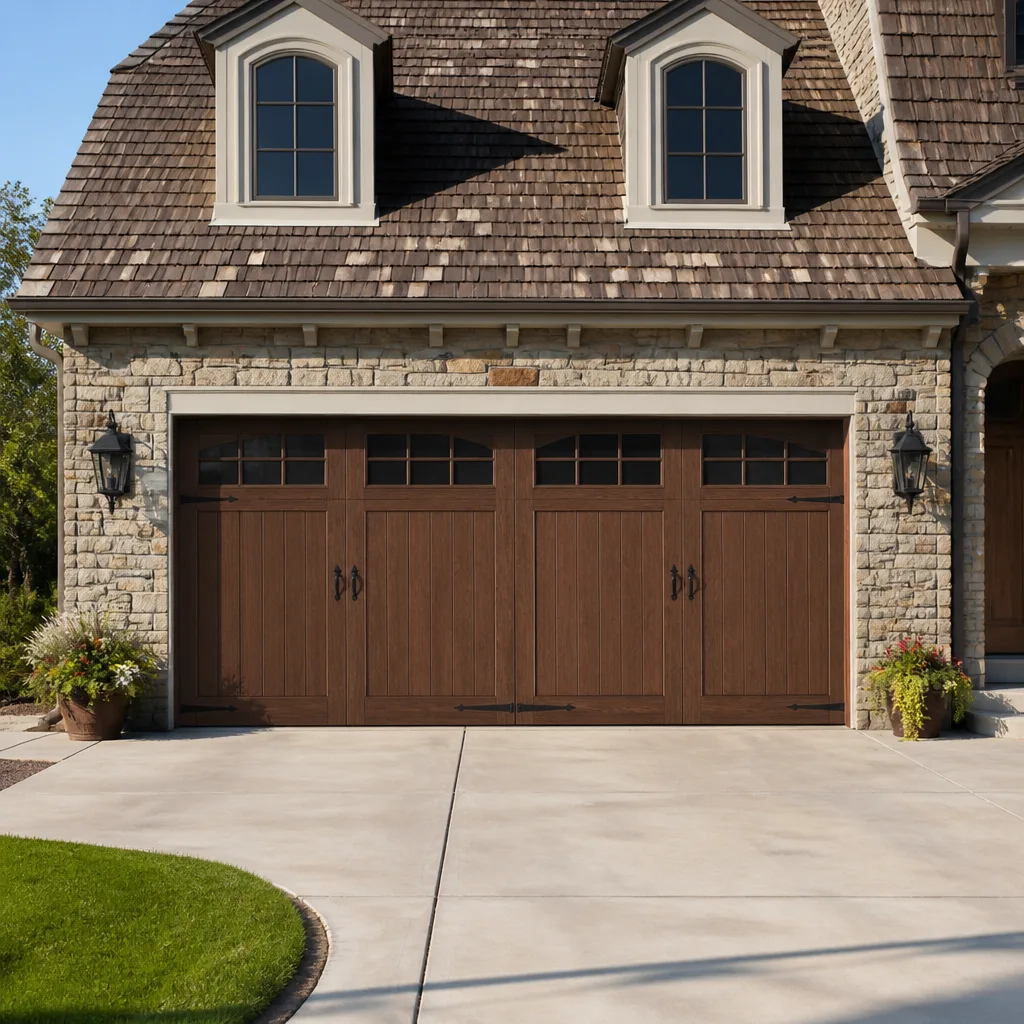 Carriage house
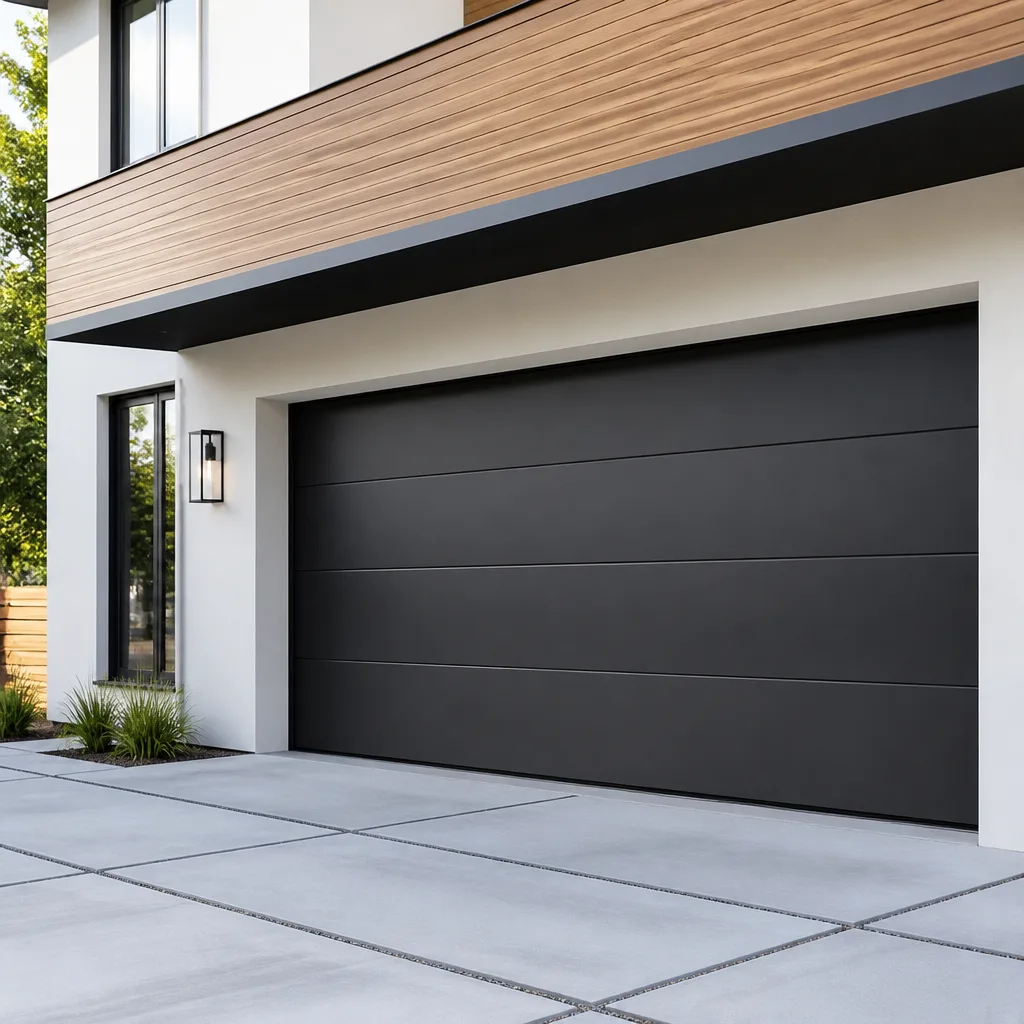 Modern flush
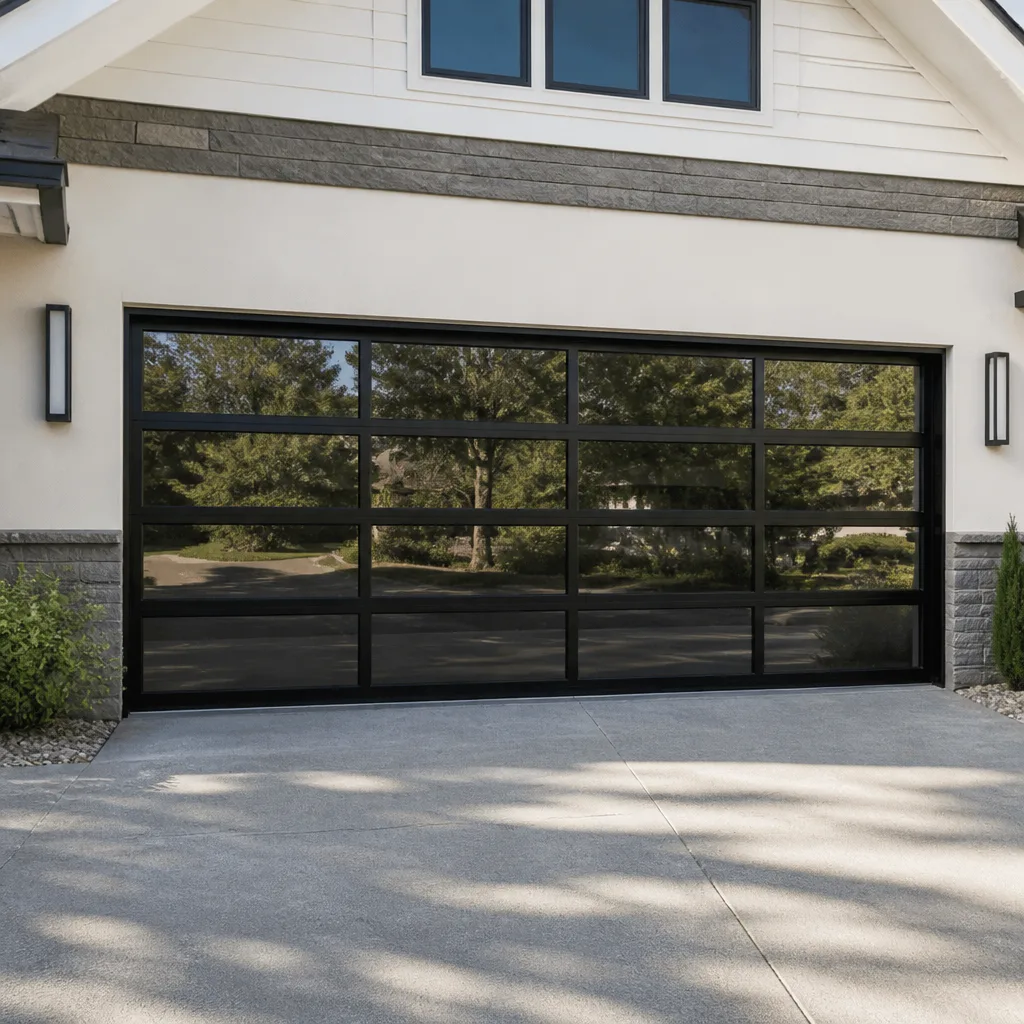 Full-view glass
 LiftMaster openers
 Chamberlain openers
Full 25-point door and opener safety check with every visit - springs, cables, rollers, tracks, and your LiftMaster or Chamberlain opener included
You get a price before we start. It does not change when the pro arrives.
Get your free estimateGarage Door Emergency Preparedness Guide for Meriden Homes
When a garage door fails at 6 AM before work or during a February ice storm, most homeowners make the same three mistakes in the first ten minutes. They force the door by hand, they leave the house with the door hanging open, and they call without knowing what actually broke. Each one either damages the door further, opens a security gap, or slows down the technician who arrives to fix it. This guide is about the ten minutes before anyone shows up: what to do, what to leave alone, and what to have ready when you call. By the end you’ll know which failures are true emergencies in Meriden and which can safely wait until morning.
Quick Answer
Before an emergency, memorize four things: the manual release cord on your opener, the make and model of your door and opener, where your door’s springs and cables sit, and the difference between an emergency and an inconvenience. A broken spring with the door stuck up, a snapped cable with the door down, or a door off its tracks are real emergencies. A dead opener with the door closed or a door that won’t close but is still on its tracks can usually wait for a scheduled visit. When in doubt, don’t touch the door and call a specialist.
Styles & brands we work with
- Raised-panel steel
- Carriage house
- Modern flush
- Full-view glass
- LiftMaster openers
- Chamberlain openers
Table of Contents
- The First Ten Minutes After a Failure
- Manual Release by Opener Brand: Getting It Right Under Stress
- How to Secure an Open Door During a Connecticut Storm
- What to Have Ready Before You Call
- Real Emergencies vs. Failures That Can Wait
- The Power-Outage Protocol for Battery-Backup Openers
- Meriden Winter and Storm Readiness
- The Preparedness Kit Every Meriden Home Should Keep
The First Ten Minutes After a Failure
The first ten minutes set the tone for the whole repair. Panic leads to bent panels, twisted tracks, and a bill that grows while you wait for help. A calm, methodical response keeps the door intact and gives the technician accurate information when they arrive.
Work through these steps in order. They apply to any failure, whether the door won’t open, won’t close, or came down crooked.
- Stop pressing the remote. Repeatedly cycling a door with a broken spring, snapped cable, or bent track forces the opener to fight a jammed mechanism and can burn out the motor.
- Look, don’t touch. Stand to the side of the door and watch it for ten seconds. Is it crooked? Is one cable slack? Is a spring hanging loose? Is the door still attached to the tracks?
- Keep people and cars away. A door with a broken spring or cable can drop without warning. Clear the area and don’t park under it.
- Disconnect the opener only if it’s safe. If the door is down and the opener is running but the door isn’t moving, pull the manual release. If the door is up and something has clearly failed, do not pull the release; the door could fall. (More on this below.)
- Write down what you saw. The make and model, the symptom, the sound, whether it happened while opening or closing. This is the diagnostic information a technician needs.
- Call a specialist. Describe what you found. A garage door specialist can usually tell from a good description whether it’s an emergency call or a scheduled visit, and what parts to bring.
What you should not do in those ten minutes: yank the door by hand, spray the tracks with household oil, or try to straighten a bent track with a pry bar. Each of these turns a straightforward repair into a bigger one. Our technicians have up to 12 years of experience, and the repair calls that go smoothly are almost always the ones where the homeowner did less, not more, before calling.
Manual Release by Opener Brand: Getting It Right Under Stress
Every residential opener has a manual release, but pulling it wrong under stress is one of the most common causes of avoidable damage. Knowing your brand’s release and when not to use it matters more than any other single piece of preparedness.
The release cord is almost always a red handle hanging from the opener carriage, or a cord tucked near the rail. On belt and chain drive openers from LiftMaster, Chamberlain, Genie, Craftsman, and Raynor, pulling the cord disconnects the carriage from the rail and lets you move the door by hand. That’s the point. But it also means the door is no longer held by the opener.
Here’s the difference that trips people up:
- Door is down and the opener is dead or jammed: pulling the release is usually safe. The door is already at the bottom, so there’s nothing to fall.
- Door is up and something has failed: do not pull the release. A door held open by a broken spring or snapped cable is a door that can fall the moment the opener lets go. Leave it up, clear the area, and call.
- Door is up and the opener is fine but you need to get in: the release is meant for exactly this, but stand to the side, keep hands clear of the door’s path, and lower it gently. A door is heavy, and once it’s off the opener you’re the only thing controlling its descent.
Some brands route the release differently. Wayne Dalton and Amarr doors often use a side-mounted release or a different carriage design, and older Genie and Craftsman openers can have a release that requires you to pull toward the door rather than straight down. If you’re not sure which kind you have, look before you need it. Finding the release in the dark with a car stuck inside is not the time to learn.
If you’ve already pulled the release and the door won’t reconnect, don’t force it. The carriage has to line up with the opener’s travel, and a jammed carriage needs a technician to reset. That’s a scheduled visit, not a DIY fix.
For a full breakdown of opener symptoms and what they mean, see our garage door opener repair page.
How to Secure an Open Door During a Connecticut Storm
Meriden sits where nor’easters and ice storms are a fact of winter life, and a door stuck open during one is a security problem first and a repair second. If the door won’t close mechanically, your priority is to close the opening, not to fix the door.
These are the safe options, in order of preference:
- Close the door manually if it will move. If the door is on its tracks and nothing has failed catastrophically, pull the release and lower it by hand, then brace it so it can’t be raised from outside.
- Brace the door from the inside. Use a wooden block, a section of 2×4, or a length of pipe laid across the tracks just above the bottom panel. This prevents the door from being pushed up. Never rely on a chair wedged against the door.
- Cover the opening from inside. If the door won’t close at all, a sheet of plywood cut to the width of the opening, set against the frame from inside and braced, closes the security gap. Bungee cords and painters’ tape will hold a tarp but not a determined person.
- Disconnect the opener and lock it out. Once the door is closed or covered, unplug the opener so nobody accidentally cycles it while the door is braced.
What not to do: don’t try to hold an open door closed with a car parked against it (the door can drop when you pull away), and don’t run a chain or strap across the opening from outside. Anything you can reach from the driveway is something a stranger can reach too.
If a storm has done structural damage to the door or tracks, leave the door alone and call for emergency service. A door that has come off its tracks during a storm is unstable and can fall. Our garage door repair service covers storm and impact damage, and we can work with your insurer on a claim if the damage is significant.
What to Have Ready Before You Call
A garage door emergency call is far more useful when it’s diagnostic rather than just a callback setup. The technician who knows what they’re walking into brings the right parts and the right tools, and often arrives able to fix the door on the first visit instead of diagnosing, sourcing, and returning.
Have these ready before you dial:
- The make and model of the door and the opener. Both are usually printed on a sticker inside the opener housing or on the door’s bottom panel. If you can’t find it, a photo helps.
- The exact symptom. “Won’t open, motor runs, door doesn’t move” is different from “won’t open, motor silent” is different from “opened halfway and stopped.”
- When it started and what you were doing. “It happened while closing during the last storm” tells us more than “it just stopped working.”
- The sound. A bang, a snap, a grind, a click. Springs fail with a bang. Cables snap. Openers grind or click when the gear or logic board is going.
- The door’s current position. Up, down, or stuck partway, and whether it’s on its tracks.
- Whether the release has been pulled and whether the door can be moved by hand.
- Your address and access notes. If you have an attached garage, whether the technician can reach the door from inside, and whether anyone will be home.
This is where brand familiarity pays off. We work on LiftMaster, Chamberlain, Genie, Clopay, Amarr, Wayne Dalton, Craftsman, and Raynor, so a description of the symptom plus the brand usually tells us which component is at fault before we arrive. That’s the difference between a first-visit fix and a return visit.
Real Emergencies vs. Failures That Can Wait
Not every garage door problem is an emergency, and treating an inconvenience like one costs you money and peace of mind. Knowing the difference keeps you from paying emergency rates for a job that could have been scheduled, and it keeps you from leaving a dangerous door alone because you assumed it could wait.
These are genuine emergencies:
- A broken spring with the door up. The door is being held up with nothing to counterbalance it. It can drop without warning.
- A snapped cable with the door down. The remaining cable is under extreme tension and the door isn’t stable.
- A door off its tracks. Never try to force it back on. A door that has come off its tracks can fall on whoever is under it.
- A door stuck open during a storm or overnight. That’s a security gap, and in Meriden you don’t leave a garage open on a winter night. Call.
- A door that closed on something and is now jammed crooked. The opener’s safety reverse has a limit, and a door jammed on an obstacle can tear its cables.
These can wait until morning:
- A dead opener with the door down. The door is closed and locked. That’s a convenience problem, not a security one.
- A remote or keypad that won’t work. Try the wall switch and the door’s manual release before calling.
- A door that opens and closes but is noisier than usual. That’s a maintenance item. Get it on the schedule.
- A garage light that won’t turn off or a sensor that’s flickering. Adjust the sensor alignment first.
When a spring or cable has failed, keep everyone away from the door and don’t try to fix it yourself. Springs and cables are under extreme tension and are the most dangerous part of any garage door system. This is work for a trained professional, not a homeowner with a pair of winding bars. Our garage door spring repair team handles the highest-tension component on the door, and it’s a named service for us, not an afterthought.
The Power-Outage Protocol for Battery-Backup Openers
A battery-backup opener keeps your door working when the power goes out, but only within limits. Knowing what it can and can’t do prevents a dead-battery surprise during the next Meriden outage.
What a battery backup can do:
- Cycle the door a limited number of times from the remote or wall console.
- Keep the opener’s logic and safety sensors working while the battery holds charge.
- Let you open or close the door from inside the garage.
What it can’t do:
- Run indefinitely. Most battery backups are rated for a handful of cycles, then the door has to be moved by hand.
- Stop the door from failing if a spring or cable has also gone. A dead battery during an outage with a broken spring is still a no-move situation.
- Recharge without power. Once the battery is depleted, the door reverts to manual operation until the power comes back.
When the battery is depleted and the power is still out, use the manual release to move the door by hand. If the door is up, don’t pull the release unless you’re sure nothing has failed; a door held up by a failed component can drop when the opener lets go. Stand to the side, move the door slowly, and don’t try to open it more than you need to get a car out.
Once the power is back, test the battery. Most openers have a backup indicator light or a test button on the battery unit. If the battery won’t hold a charge, replace it before the next storm. For a battery that keeps failing, the opener’s charging circuit may be the problem, and that’s a visit for our garage door opener repair team.
Meriden Winter and Storm Readiness
Meriden winters are hard on garage doors. Ice and snow load on the door, frozen tracks, and freeze-thaw cycles on the concrete apron all put stress on springs, rollers, and openers, and the failures cluster in the worst weather. The preparedness work you do in the fall pays off in February.
Before the first hard freeze, check these:
- Lubricate the springs, rollers, and hinges. A garage door lubricant, not household oil or WD-40, keeps the moving parts moving.
- Test the safety reverse. Put a piece of 2×4 on the floor in the door’s path and close the door. It should reverse on contact. If it doesn’t, the opener needs adjustment.
- Balance the door. Pull the release with the door halfway up and let go. A balanced door stays put. A door that drops or rises on its own needs spring adjustment.
- Clear the tracks and the apron. Ice and gravel in the tracks bind the rollers. Keep the concrete clear where the door meets the floor.
- Check the weather seal. A torn bottom seal lets snow and meltwater in, and a frozen seal can tear when the door opens.
During a storm, don’t open the door if there’s snow or ice piled against it. The opener will fight the load, and the door can come off its tracks. If the door is frozen to the apron, don’t force it. Break the ice free first with warm water or a de-icer, never a hammer.
If a winter storm leaves the door stuck open, bent, or off its tracks, call a specialist rather than trying to fix it in the cold. Garage door repair in the middle of a Meriden ice storm is not a driveway job. If the door is beyond repair, our garage door installation team can measure the opening and walk you through a replacement that fits the home and the weather.
The Preparedness Kit Every Meriden Home Should Keep
A small kit in the garage turns an emergency into a manageable hour. You don’t need much, and none of it is expensive. Put it somewhere you can reach without moving the car.
- The opener manual and door spec sheet. The make and model for both, kept in a plastic sleeve.
- A garage door lubricant. Not WD-40. A proper door lubricant for springs, rollers, and hinges.
- A 2×4 offcut. For the safety-reverse test and for bracing an open door.
- A flashlight and spare batteries. The opener’s light goes out when the power does.
- A small pry bar and a length of pipe. For freeing a frozen seal or bracing a door, not for fixing one.
- A short list of numbers. Your opener brand’s support line and a garage door specialist. Ours is (833) 679-1963.
- A photo of the opener label and door panels. On your phone is fine. It makes the emergency call faster.
Add the kit’s location to your household’s emergency plan. In an outage or storm, nobody should be hunting for a flashlight in the dark while the door hangs open.
Common Mistakes to Avoid
- Pulling the manual release with the door up. If a spring or cable has failed, releasing the opener lets the door drop. Leave it up and call.
- Cycling the opener repeatedly to “test” it. Every cycle drives a broken mechanism further and can burn out the motor. One test is enough.
- Spraying household oil or WD-40 on the springs and tracks. It attracts dirt and gums up the mechanism. Use a garage door lubricant.
- Leaving a stuck door open overnight. In Meriden, an open garage is an open door to the house. Brace it or cover it from the inside before dark.
- Bracing a door with a chair or a car. Neither holds against a determined push, and a car against the door can let the door drop when you drive away.
- Forcing a door that’s off its tracks or frozen to the floor. A door that has come off its tracks can fall, and forcing a frozen door tears the seal and bends panels.
- Calling without the make and model. The technician can still help, but a diagnostic call gets the door fixed faster and often on the first visit.
See the difference
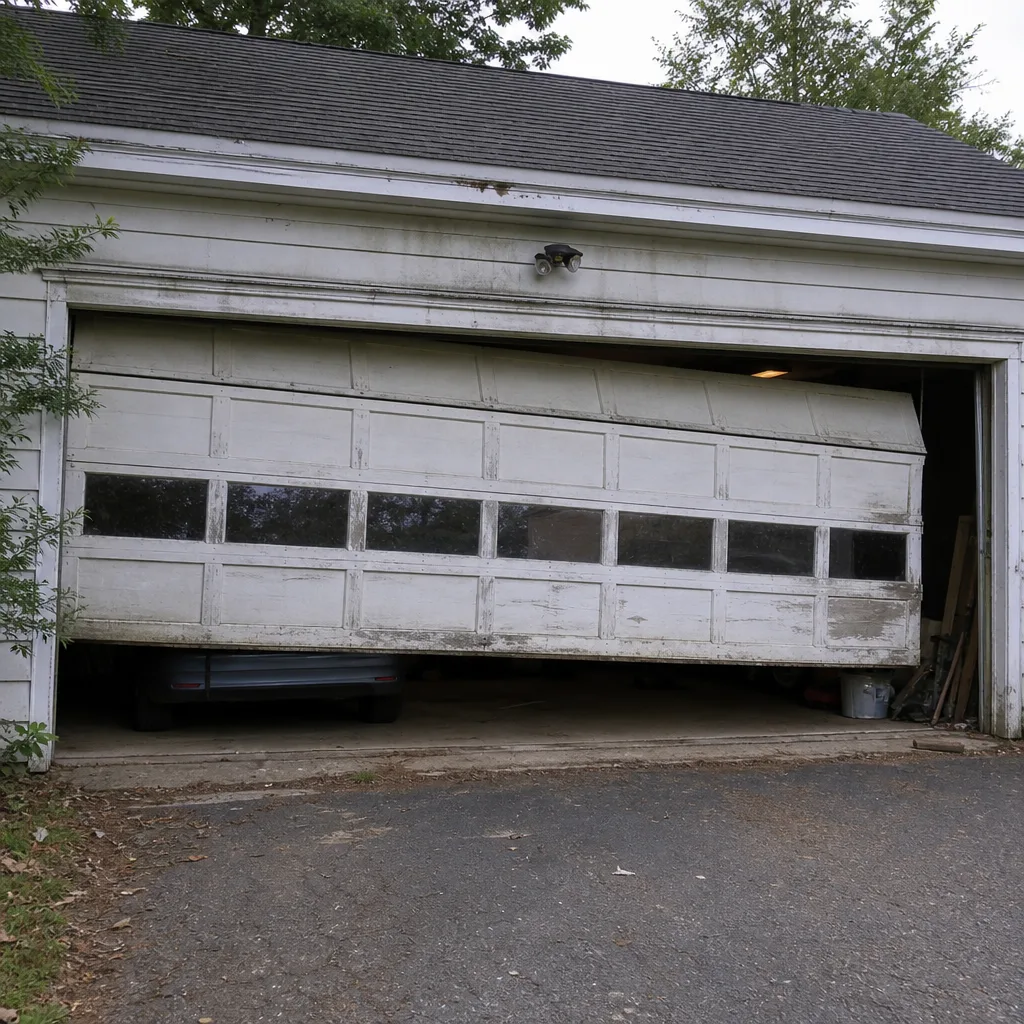 Before
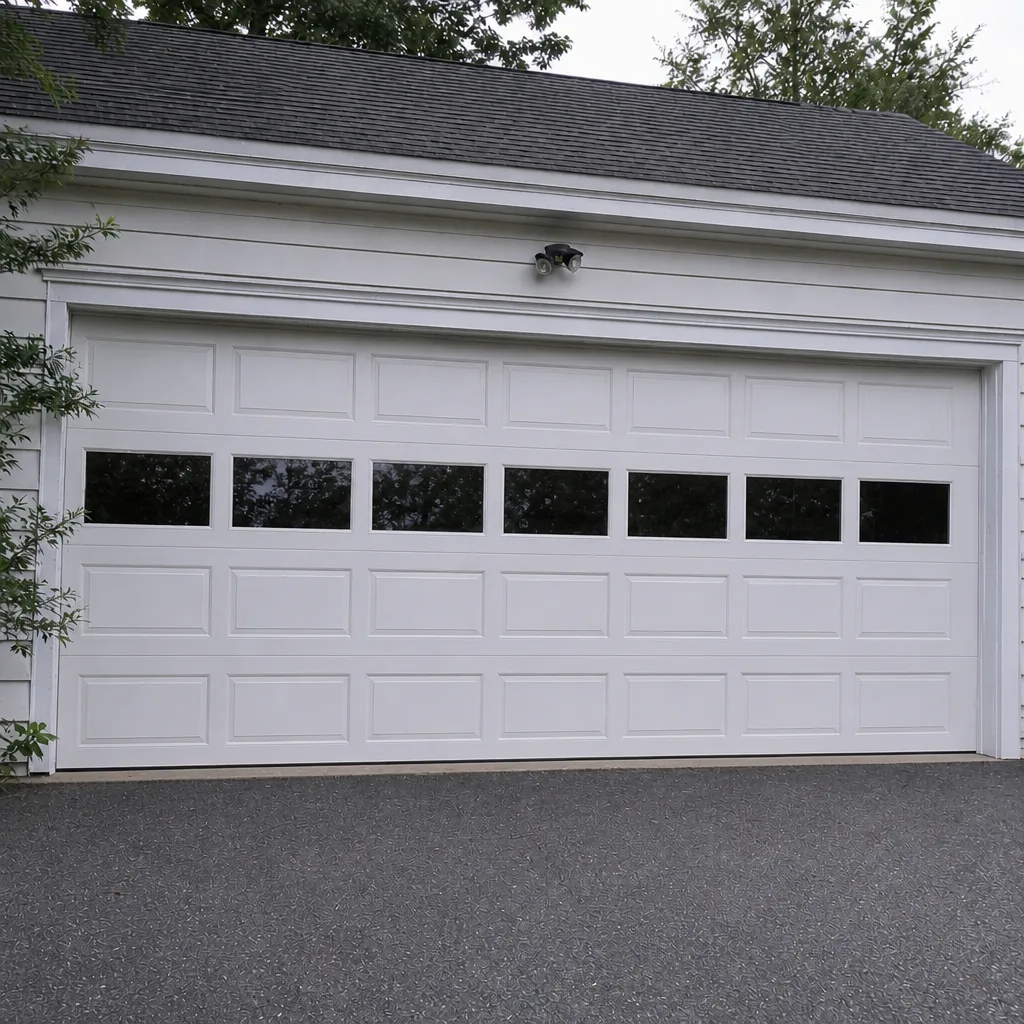 After
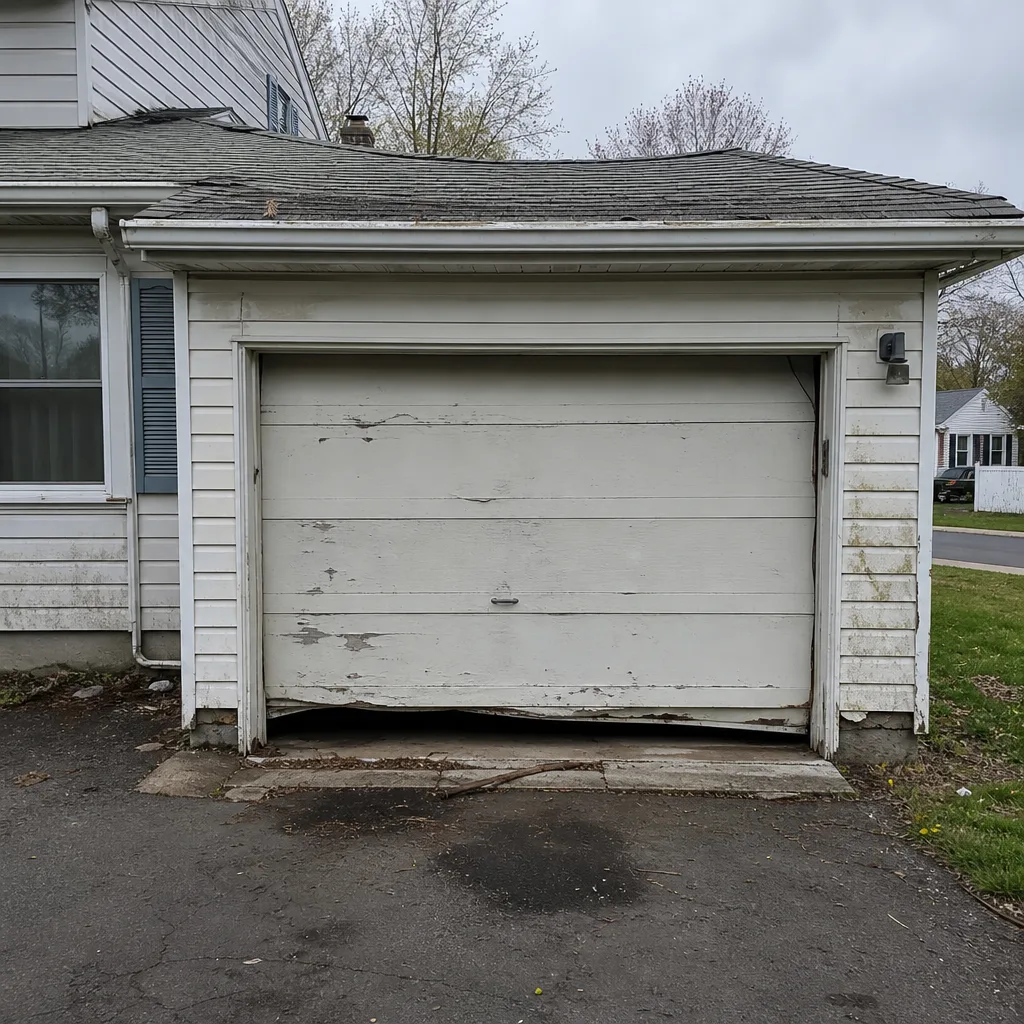 Before
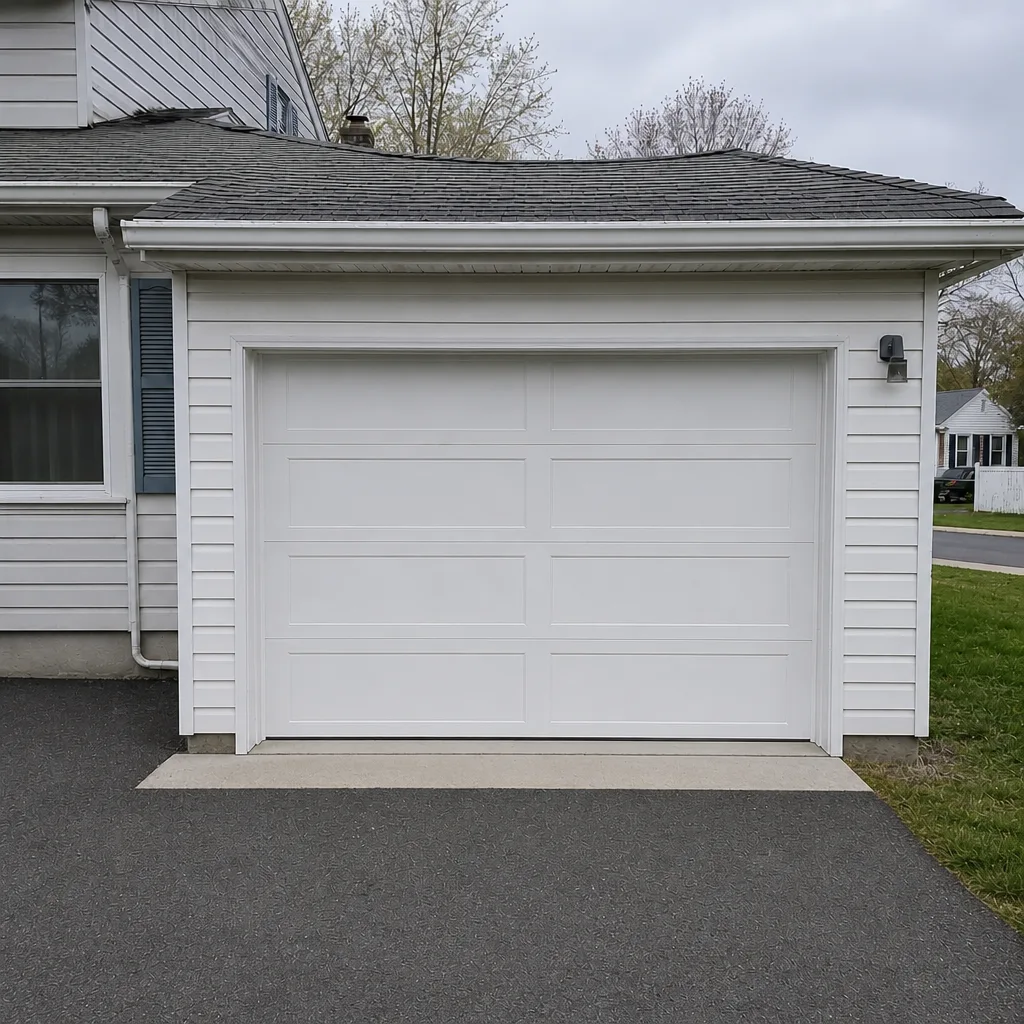 After
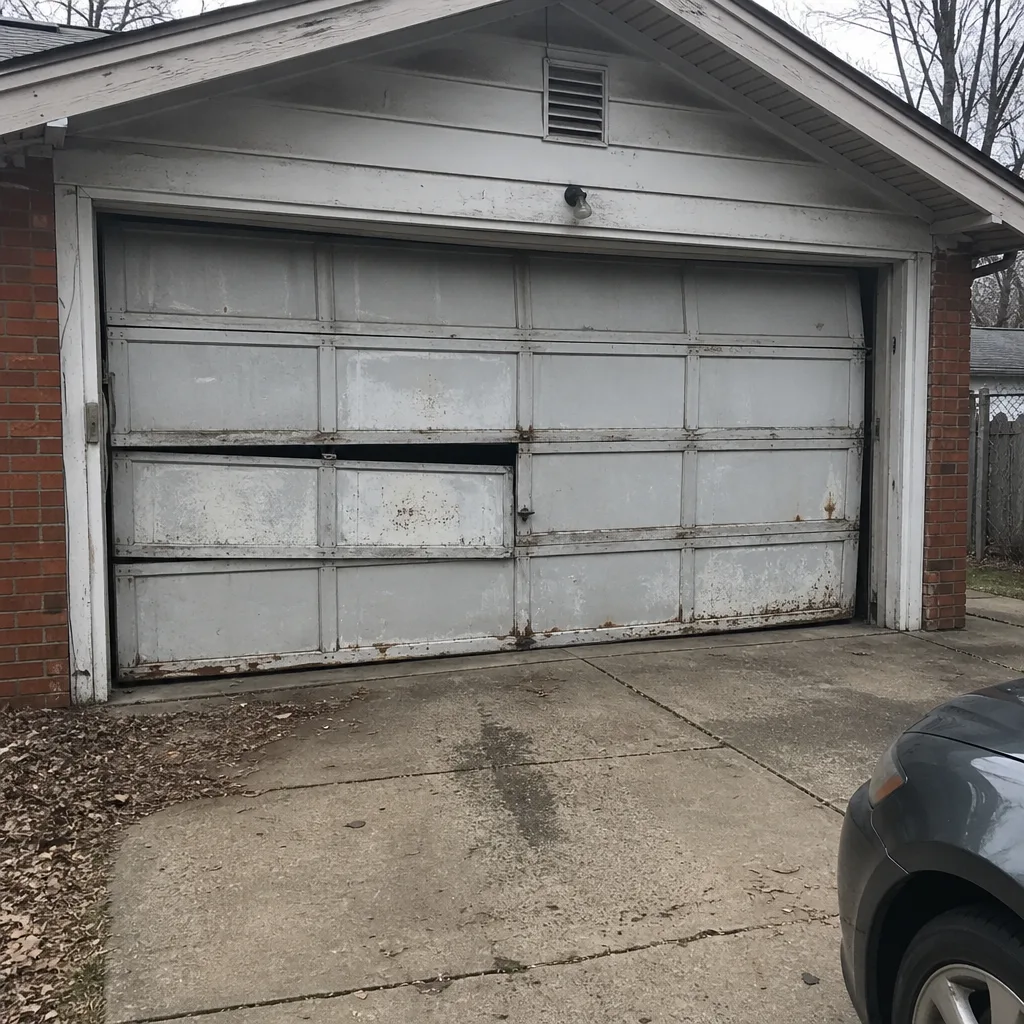 Before
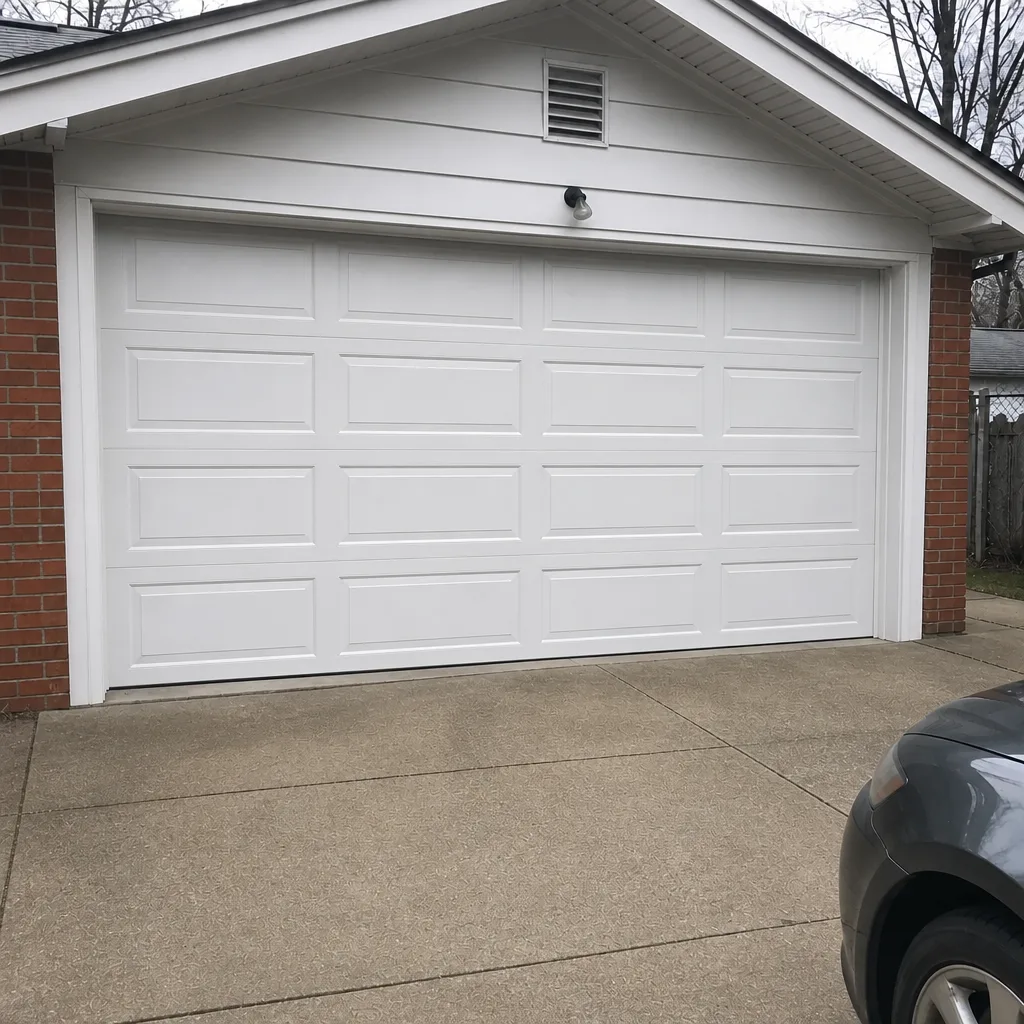 After
When to Call a Professional
Call a professional for any spring or cable failure, any door off its tracks, a door that won’t close and leaves the house exposed, and any storm damage to the door or tracks. These are the situations where the risk of injury or further damage is real, and where a specialist can usually get the door back up and running on the visit. A dead opener, a noisy door, a flickering sensor, or a door that runs but feels stiff can be scheduled. Garage Door Repair Meriden offers free estimates in Meriden, emergency service for the situations that can’t wait, and a written price agreed before any work starts. Call (833) 679-1963.
Frequently Asked Questions
Yes, if you pull the manual release and the door is safe to move. Pull the release cord only when the door is down, or when you’re sure nothing has failed. If the door is up and a spring or cable has gone, don’t pull it; the door can drop.
Typical emergency repair pricing in the Meriden area runs roughly $180 to $340 for a single spring replacement, with openers and cable work in similar ranges. A matched pair of springs is usually replaced together, so plan on about twice the single-spring figure. The written estimate sets the final price, and we quote and agree it before any work starts. Call (833) 679-1963 for an exact quote; estimates are free.
If the door is on its tracks and nothing has failed, lower it by hand and brace it from inside. If the door has come off its tracks or a spring or cable has failed, don’t force it. Cover the opening from inside with plywood, unplug the opener, and call for emergency service. Leave the house through another door until the door is secured.
It shouldn’t, because the price is quoted and agreed before any work starts. If a technician finds more damage than expected, they’ll explain what it is and give you a new written price before touching the door. You approve or decline. There’s no surprise on the invoice.
The local pro we connect you with is licensed and insured as their state requires. We can work with your insurer on a claim if storm or impact damage is covered.
Emergency garage door service is available for situations that can’t wait, including a door stuck open or a door that has come off its tracks. Call (833) 679-1963 to describe what’s happening and get the next available visit. Estimates are free.
The Bottom Line
Garage door emergencies are survivable. The trick is knowing your door, your opener, and your manual release before something fails, and then doing less, not more, in the first ten minutes. Secure the opening, keep people away, and call with the make and model and the symptom. That’s the whole preparedness program. In Meriden, the failures cluster around winter storms and power outages, so the fall checklist and the battery-backup test are the two habits that pay off most. When the door is beyond a repair, the same specialist can measure and replace it.
For repair, spring work, opener service, or a new door, call Garage Door Repair Meriden at (833) 679-1963 for a free estimate. We work on every major brand, we quote and agree the price before any work starts, and we can work with your insurer on a storm claim. Back up and running is the goal, and the first call is where it starts.
You can also start with our Garage Door Repair Meriden page for the full service overview.
Written by the team at Garage Door Repair Meriden.