Last updated November 21, 2026
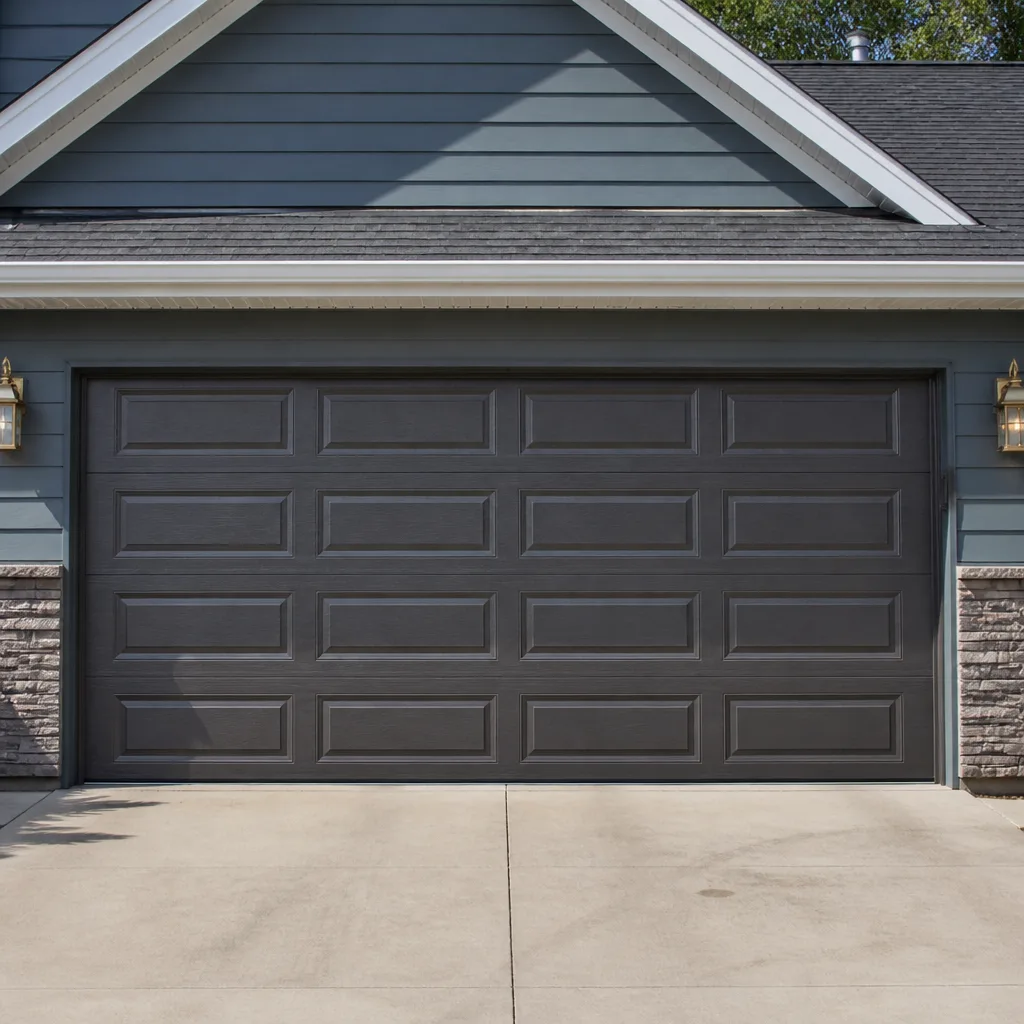 Raised-panel steel
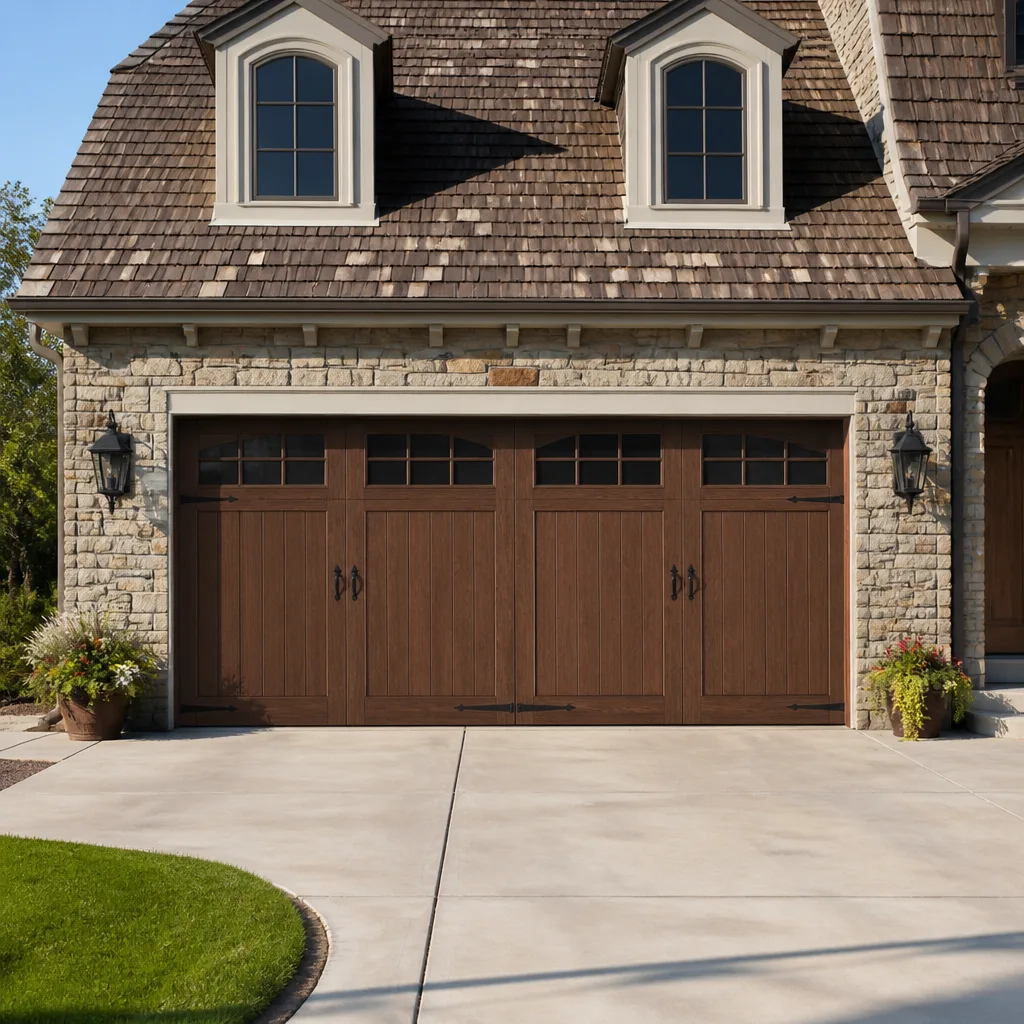 Carriage house
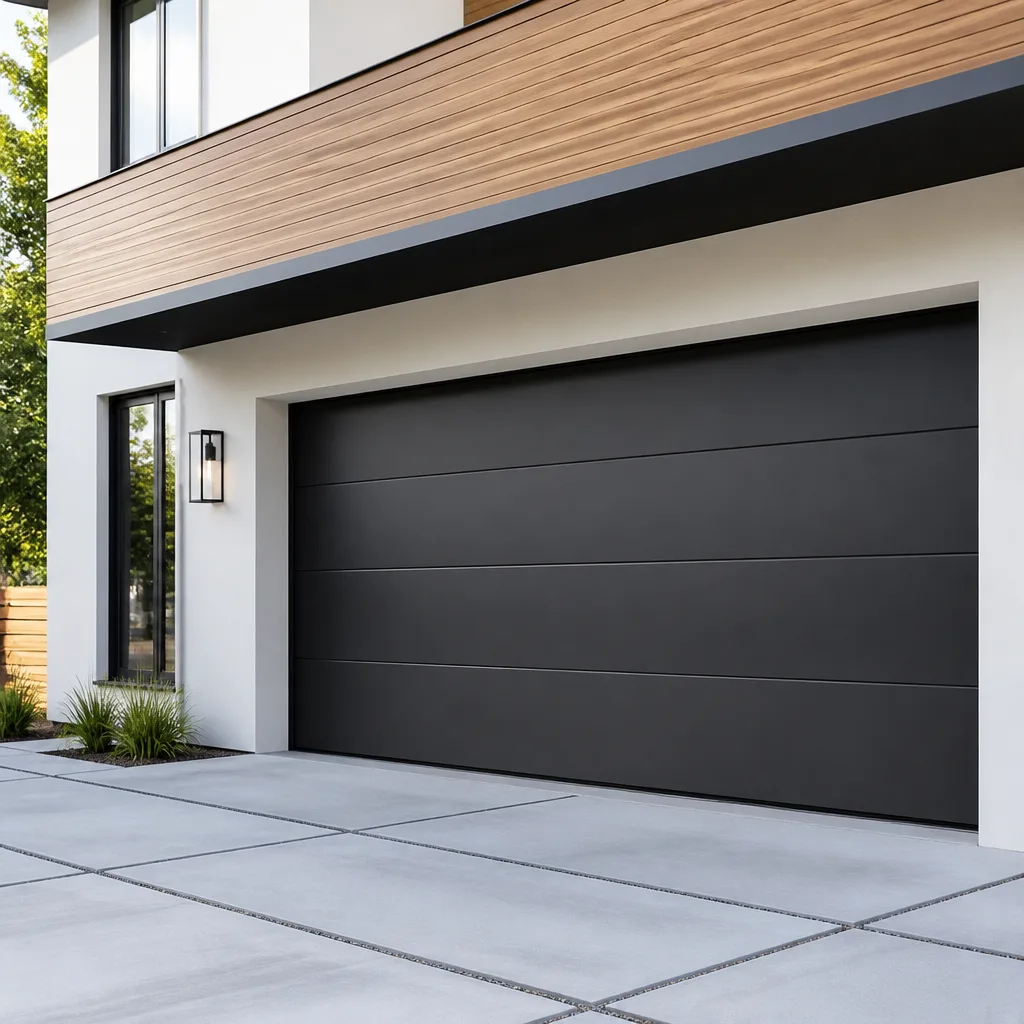 Modern flush
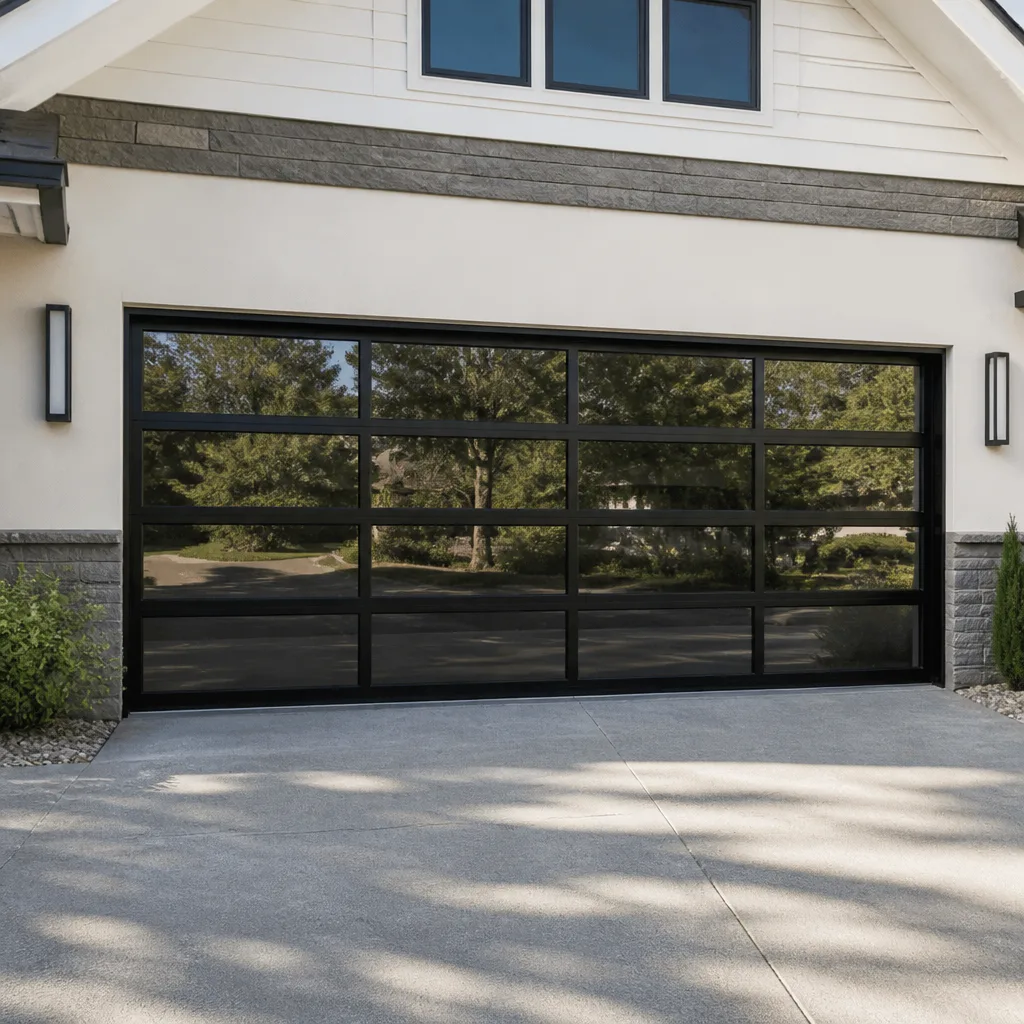 Full-view glass
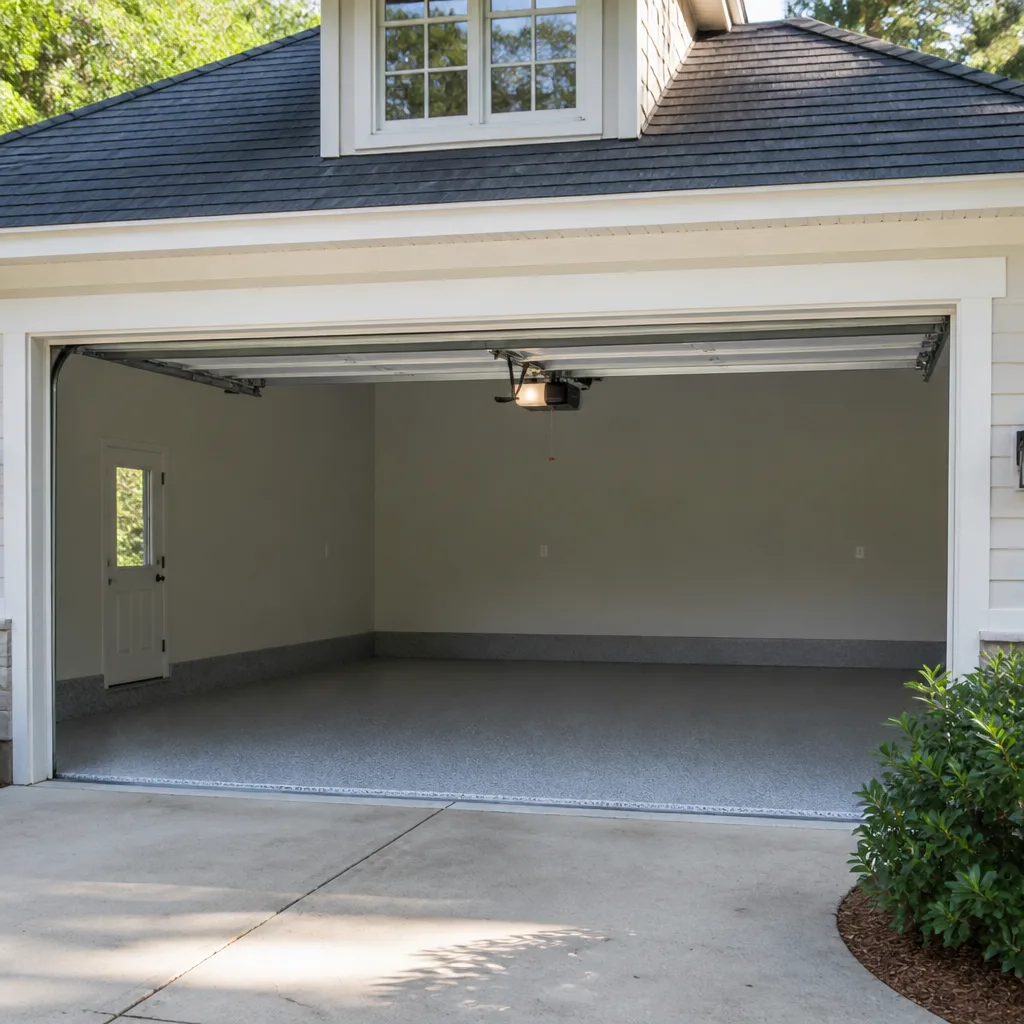 LiftMaster openers
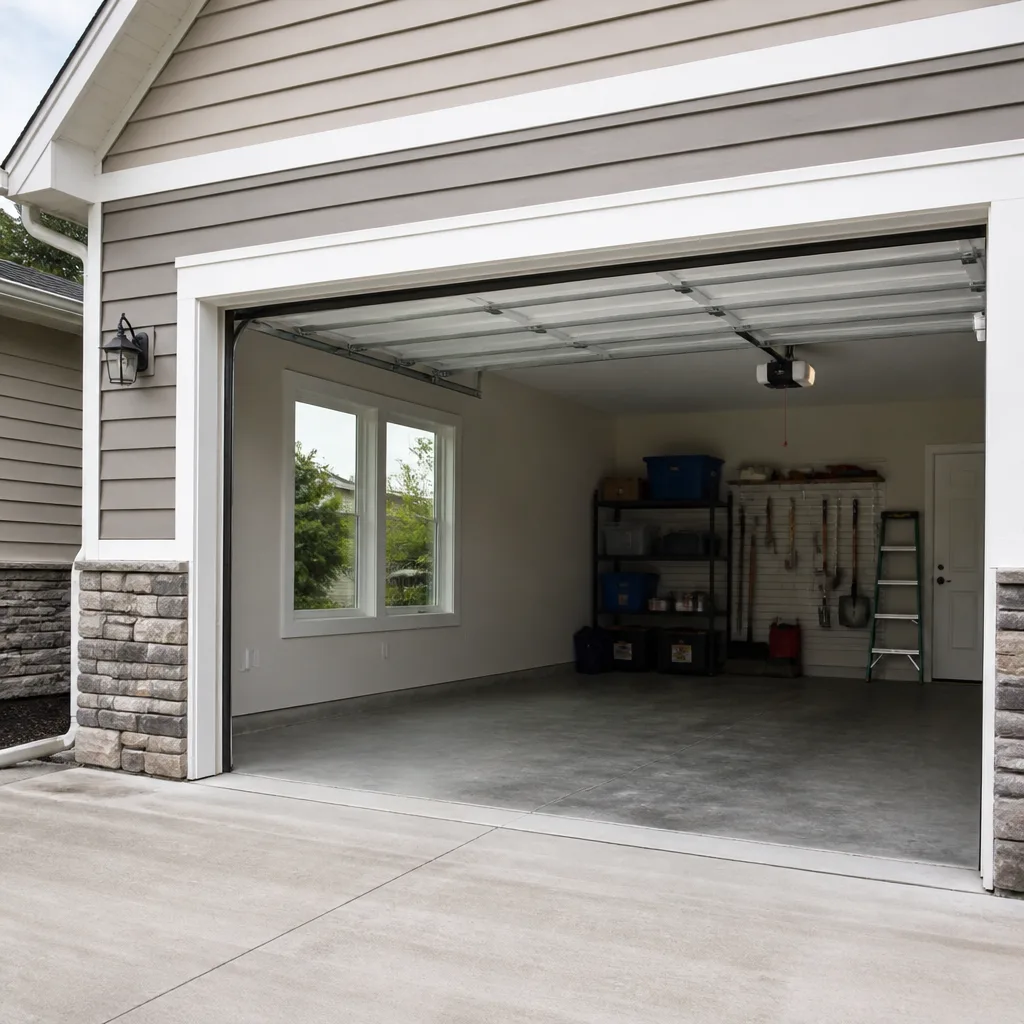 Chamberlain openers
Full 25-point door and opener safety check with every visit - springs, cables, rollers, tracks, and your LiftMaster or Chamberlain opener included
You get a price before we start. It does not change when the pro arrives.
Get your free estimateGarage Door Permits, Codes & Inspections in Meriden, CT: What You Need to Know
Most Meriden homeowners replacing a garage door assume no permit is needed. That assumption is often wrong, and the cost of getting it wrong shows up at the worst possible moment: during a home sale title search, when an unpermitted door replacement can stop a closing and force a scramble to make things right on someone else’s timeline. The permit itself is a modest line item compared to the repair bill a buyer’s attorney can trigger. This guide gives you a plain-language answer for exactly when Meriden requires a permit, when a repair clearly doesn’t, what the building inspection actually looks at, and how the process runs from start to finish. It’s written for Meriden homeowners who’d rather handle the paperwork correctly the first time.
Quick Answer
In Meriden, a full garage door replacement almost always requires a building permit, while routine repairs – a snapped spring, a dead opener, a panel swap that doesn’t alter the opening – typically do not. Any work that changes the structural opening, the header, the framing, or the door’s size requires a permit regardless of what you paid for the door. When in doubt, call Meriden’s building department before work starts; the answer is free and the permit is far cheaper than fixing a violation later.
Styles & brands we work with
- Raised-panel steel
- Carriage house
- Modern flush
- Full-view glass
- LiftMaster openers
- Chamberlain openers
Table of Contents
- When does a garage door project need a permit in Meriden?
- Repairs that don’t need a permit vs. replacements that do
- Structural changes to the opening that always trigger a permit
- What Meriden’s building inspection actually checks
- How UL 325 opener compliance fits into inspection
- Pulling a permit through Meriden’s building department: the practical steps
- Realistic timelines and what to expect
- Common mistakes to avoid
When does a garage door project need a permit in Meriden?
A garage door project needs a permit in Meriden when the work changes the building’s structure, alters the opening’s dimensions, or replaces the door assembly as a whole. The state building code treats a garage door as part of the exterior envelope and the structural frame around it, not as an appliance you swap like a light fixture. That’s why a complete replacement usually lands in permit territory while a spring or opener repair doesn’t.
Connecticut’s building code is adopted at the state level and then applied locally by each municipality’s building official. Meriden runs its own building department, and the official on duty applies the code as written plus any local amendments. The general rule that comes out of the residential code: any work that affects the structural safety, fire separation, or egress of the building requires a permit. A garage door and its opening touch all three in some cases.
Here’s the practical way to think about it:
- Full door replacement, same size opening: usually requires a permit, because you’re replacing a rated assembly and disconnecting and reconnecting a UL 325 opener.
- Door replacement with resized opening: always requires a permit, because it’s structural.
- Spring replacement: no permit.
- Opener replacement or repair: no permit.
- Panel replacement with no framing change: no permit in most cases, but ask if the panel is part of a fire-rated assembly.
- New construction or an added bay: permit plus plan review.
If your door is attached to the house (most Meriden garages are), the wall between house and garage is a fire separation. Replacing the door or altering the framing around it can affect that separation, which is the strongest reason a replacement gets pulled into permit review. Our garage door repair team deals with this question often and can tell you what a job will need before you commit.
Repairs that don’t need a permit vs. replacements that do
The line between a repair and a replacement matters here more than almost any other trade. A repair restores the door to what it already was. A replacement creates a new assembly, and that’s the trigger.
Repairs that typically don’t need a permit
- Spring replacement – one spring or a matched pair
- Cable, roller, and hinge replacement
- Opener repair or full opener replacement (LiftMaster, Chamberlain, Genie, Craftsman, Raynor)
- Track realignment following a hit or drift
- Panel replacement where the size and framing are unchanged
- Weather seal, bottom rubber, and threshold work
Replacements that typically do
- Complete door replacement, even if the new door is the same size
- Changing from a single door to a double, or cutting a second opening
- Any change to the header, jambs, or rough opening
- Adding or replacing an opener on a newly installed door
- Converting a manual door to an automatic one on a new installation
Here’s the honest ambiguity: some municipalities in Connecticut treat a same-size replacement as a “like-for-like” swap that doesn’t require a permit if the assembly’s rated characteristics don’t change. Others require the permit and inspection regardless. Meriden’s building department is the only authority that can answer for your specific address. We’ve seen both scenarios play out across the area, and the safest path is always the phone call before the work. If you want to compare the option against the alternative, our guide to repairing versus replacing a garage door walks through the decision.
Structural changes to the opening that always trigger a permit
This is the section every Meriden homeowner replacing a door in an older home should read carefully. Older homes – and Meriden has plenty of them – frequently turn up surprises when the old door comes off. Framing that didn’t need a permit when it was built in the last century may not meet current code, and any change to the opening invites the building official to look.
Structural changes that always require a permit include:
- Widening or narrowing the rough opening. Any change to the clear opening dimension is structural.
- Header replacement or reinforcement. The header carries the load above the opening; if you touch it, you’re in structural territory.
- Jamb or jamb-leg replacement. Changing the vertical framing that the door hardware mounts to changes the assembly.
- Framing out a damaged opening. Rotted or termite-damaged framing has to be rebuilt to current code, which means a permit.
- Changing door type. Sectional to roll-up, or a swing door to an overhead door, changes the load path and usually needs plan review.
- Adding a new opening. New construction is always permitted.
- Altering the fire separation wall. Anything that penetrates or modifies the wall between garage and living space is inspected.
What triggers the permit is the structure, not the price of the door. A few-hundred-dollar door installed into a rebuilt opening needs a permit; a several-thousand-dollar door dropped into an unchanged opening may not. The door’s cost is irrelevant to the permit decision. What matters is whether the opening changes.
In our experience, older homes in Meriden commonly reveal one of two issues once the old door is off: a header that’s undersized for a modern door’s weight, or a jamb that’s out of square enough to throw off the track. Both are structural, both get flagged at inspection if they’re left, and both are best fixed by whoever pulls the permit. A garage door spring repair specialist can tell you in minutes whether an opening is likely to need more than spring work before you commit to a full replacement.
What Meriden’s building inspection actually checks
The inspection for a permitted garage door replacement is not a long, complicated event. It’s typically a short visit by the building official or an inspector from that office, and it’s focused on whether the installed door and its supporting assembly meet the code the permit was issued under. Here’s what the inspector looks at.
The door assembly and anchors
- The door is installed per the manufacturer’s instructions.
- The track is plumb, level, and anchored per spec.
- The hinges, rollers, and end plates are in place and secured.
- The weather seal is applied at the perimeter.
Structural integrity around the opening
- The header carries the load and matches what the permit drawings show.
- The jamb is plumb and square and attached to the framing.
- The wall between garage and house keeps its fire separation.
The opener and safety devices
- The opener is UL 325 compliant.
- The photo-eye safety sensors are positioned correctly and functional.
- The auto-reverse function operates.
- The manual release works.
Labeling and documentation
- The door carries a permanent label with the manufacturer and model, as required by the code the permit was pulled under.
- The installed door matches what the permit describes.
The inspector is not there to grade the aesthetics of the install. They’re checking that what was permitted was installed and that safety-critical features are in place. If the door passes at first inspection, you’re done. If the inspector flags something, you fix it and schedule a re-inspection. Which brings us to the opener.
How UL 325 opener compliance fits into inspection
UL 325 is the safety standard every residential garage door opener sold in the US is built to, and in Connecticut it’s part of what the inspection verifies on any permitted installation. The standard exists for one reason: to keep a closing door from crushing a person, a pet, or anything else under it.
In plain terms, UL 325 compliance on a permitted install means:
- Photo-eye safety sensors mounted at the opening, aligned at the correct height, facing each other across the doorway, and interrupting the close cycle when broken.
- Auto-reverse functioning on contact with an obstruction, which is tested at inspection.
- Manual release working so the door can be operated by hand if the opener fails.
- Correct force settings so the opener’s sensitivity is set to react to an obstruction rather than push through it.
The opener brand matters here only in that the install has to be compatible with the door and the opener’s documented specs. A LiftMaster or Chamberlain/MyQ opener is straightforward to verify at inspection because the safety features are standardized. Legion brands like Craftsman and Genie behave the same way. Where installs go wrong is at the sensor alignment and force settings – both easily fixed, both routinely caught during a permitted inspection. If your opener ever starts closing without reversing properly, that’s an emergency stop, not a wait-and-see. Our garage door opener repair team handles these calls regularly.
Pulling a permit through Meriden’s building department: the practical steps
The permit process in Meriden runs through the city’s building department. You or your licensed contractor submit the application, pay the fee, and receive the permit, usually within a business-day or two for a simple residential replacement. The steps look like this.
- Confirm the requirement. Call the Meriden building department, give them your address, the door model, and the scope of work, and ask whether a permit is required for your specific project. Get the answer before ordering the door.
- Assemble the documentation. You’ll need the address, the door manufacturer and model, the door’s rated label information, and the opener’s model and UL 325 listing. If the opening is changing, you’ll also need basic drawings showing the new opening dimensions.
- Submit the application. Most residential garage door permits are simple one- to two-page applications. Submit to the building department with the fee, which is set by the city’s fee schedule.
- Receive the permit. Once approved, the permit is posted at the job site. Work cannot begin before the permit is issued.
- Complete the installation. The installer follows the permit scope exactly. If the job uncovers structural issues not on the permit, they stop and the permit is amended before the work continues.
- Schedule the inspection. Call the building department to schedule when the installation is substantially complete. The inspector visits, checks the items above, and either passes it or issues a correction list.
- Close out. Once the inspection passes, the permit is closed. Keep the final inspection record with your home documents – it’s the proof your title company will ask for down the road.
Connecticut requires licensed contractors for work that requires a permit. The contractor pulls the permit, carries the liability, and schedules the inspection. If you’re hiring out the full installation, the garage door repair and installation team handles the permit side for you.
Realistic timelines and what to expect
How long does the permit process take in Meriden? For a typical residential garage door replacement, the permit is usually issued within a few business days of a complete application, and the inspection is scheduled within a few business days of the completed install. Total elapsed time from application to final inspection: about one to two weeks in most cases. Not months, not weeks of plan review, unless the project involves structural framing changes.
The timeline stretches in three specific situations:
- Structural framing changes. If the opening is changing, plan review is required, which adds a couple of weeks to the front end.
- Missing documentation. A missing door label or opener spec is the most common reason a permit application sits in review. Get the documentation first.
- Inspection scheduling. Meriden runs inspections on a normal business schedule. Schedule the inspection the morning the install is completed, not the day before the buyer’s walkthrough.
On the door side, the lead time for the door itself usually matters more than the permit. New doors are built to order and typically take one to three weeks to ship. A permit pulled the same week you order lines up cleanly with a door that ships three weeks later. That’s why we plan installations backward from the door ship date: the free measure and written price come first, the door order goes in, the permit is pulled while you wait, and the install is scheduled when the door lands.
Common Mistakes to Avoid
- Assuming the permit isn’t needed because the door is “the same size.” A same-size replacement sometimes still requires the permit, depending on how the building official reads the code. Ask before you order the door.
- Pulling the permit after the work. An after-the-fact permit is more expensive and gets more scrutiny, and in some cases the inspector will require portions of the work to be opened up for verification.
- Leaving the door unlabeled. A replacement door without the manufacturer’s permanent label will fail inspection. Verify the label arrives with the door and is installed.
- Ignoring the old opener during a door replacement. If the opener is original to the house and the door is new, the inspection checks the UL 325 features. A failing sensor alignment will delay closing the permit.
- Skipping the fire separation check. In attached garages, changing the door or the framing around it can compromise the wall between the garage and the living space. That’s a code issue, not a cosmetic one.
- Not getting the final inspection record. Buyers’ title searches in Meriden routinely ask for permit records. A permit that was pulled but never closed shows as an open item and stalls the sale.
- Hiring an unlicensed installer for permitted work. Connecticut requires licensed contractors for permit-required work. Hiring unlicensed voids the permit protection you’re paying for.
See the difference
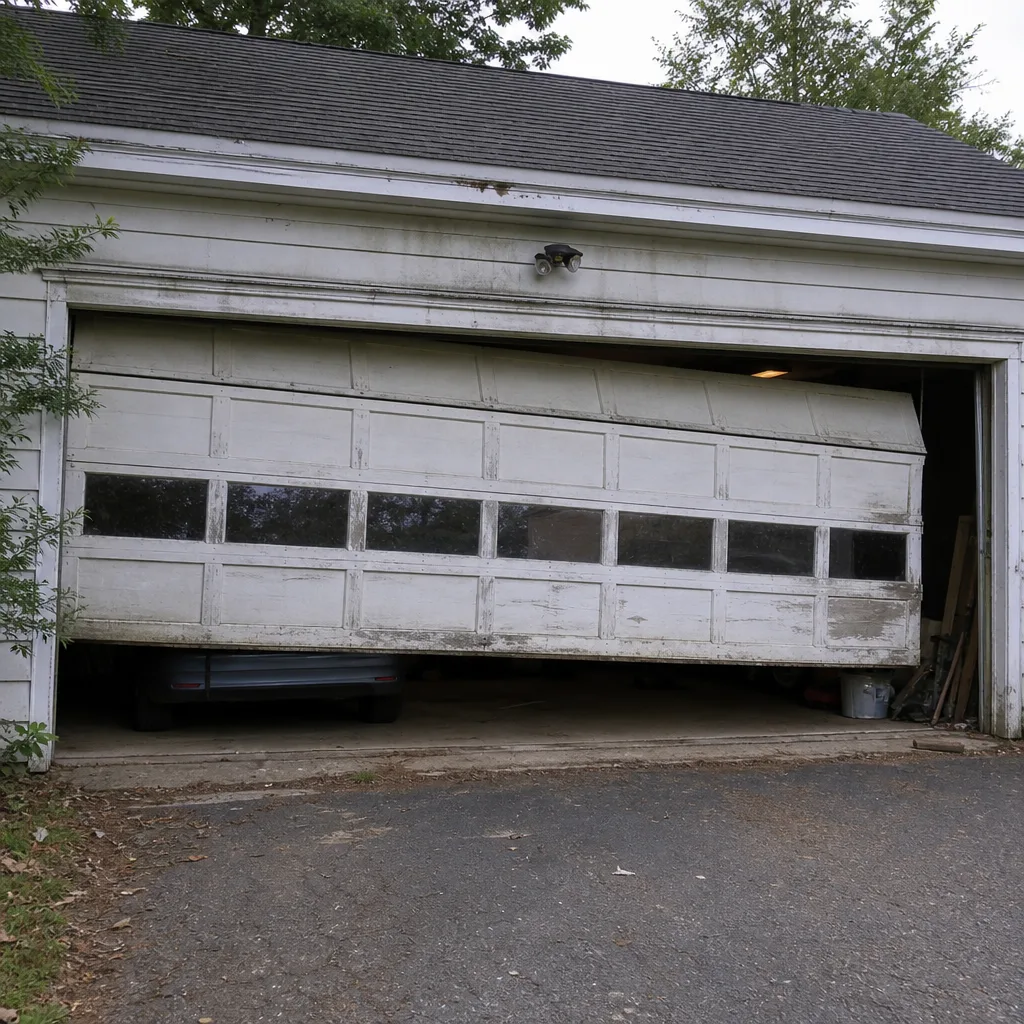 Before
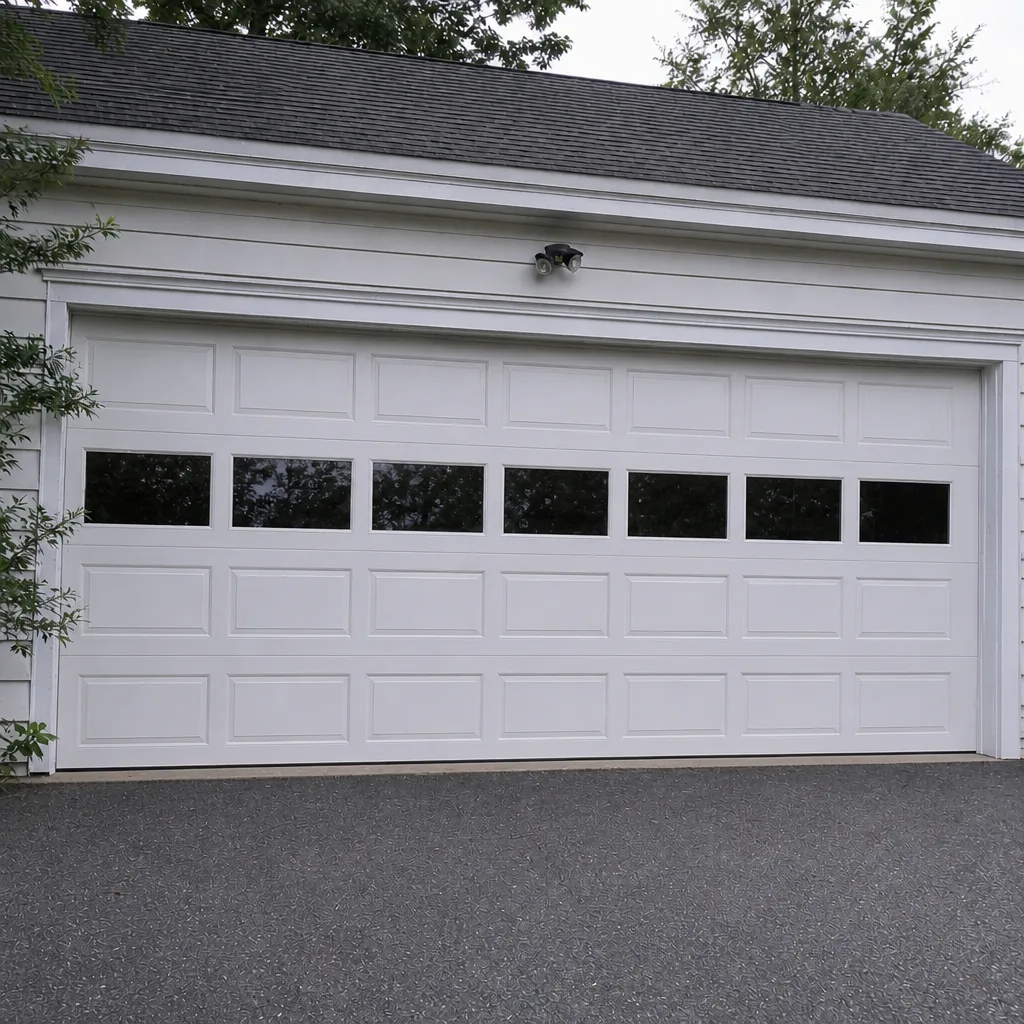 After
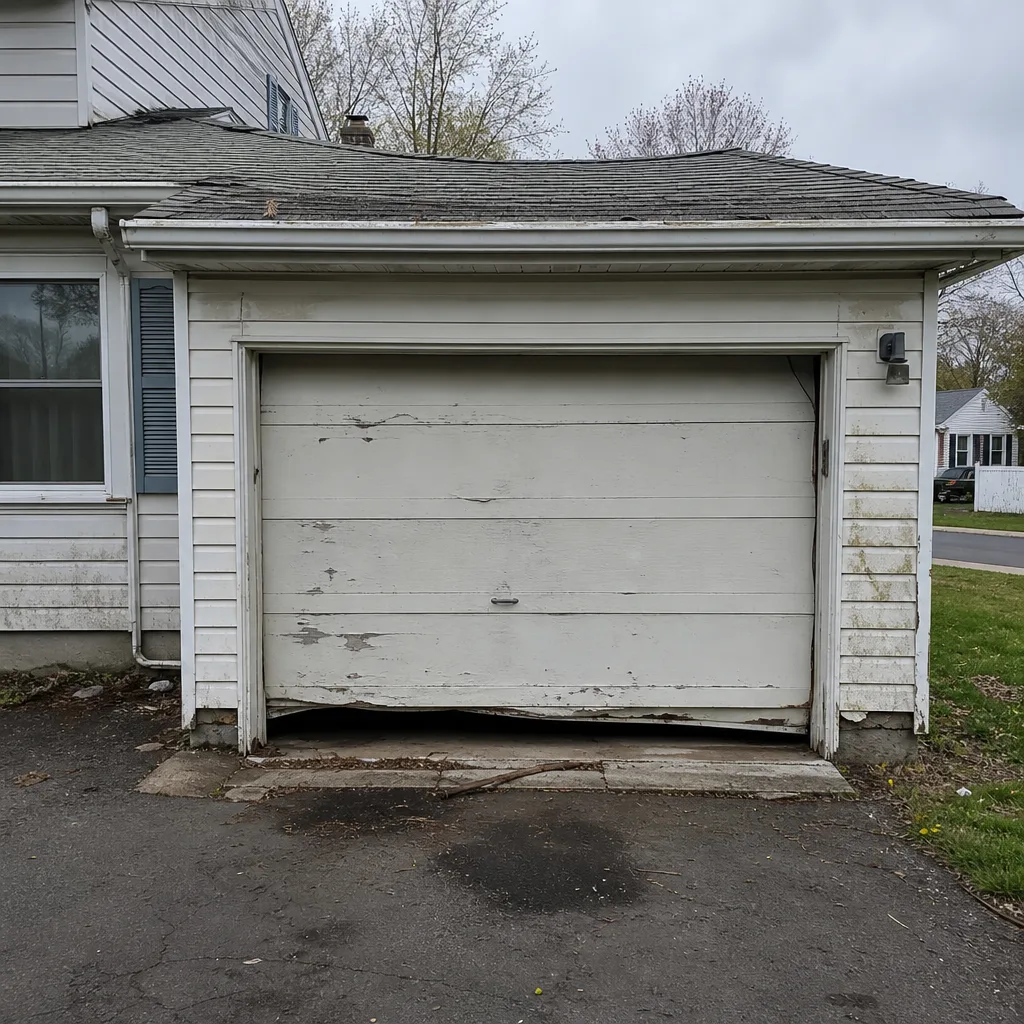 Before
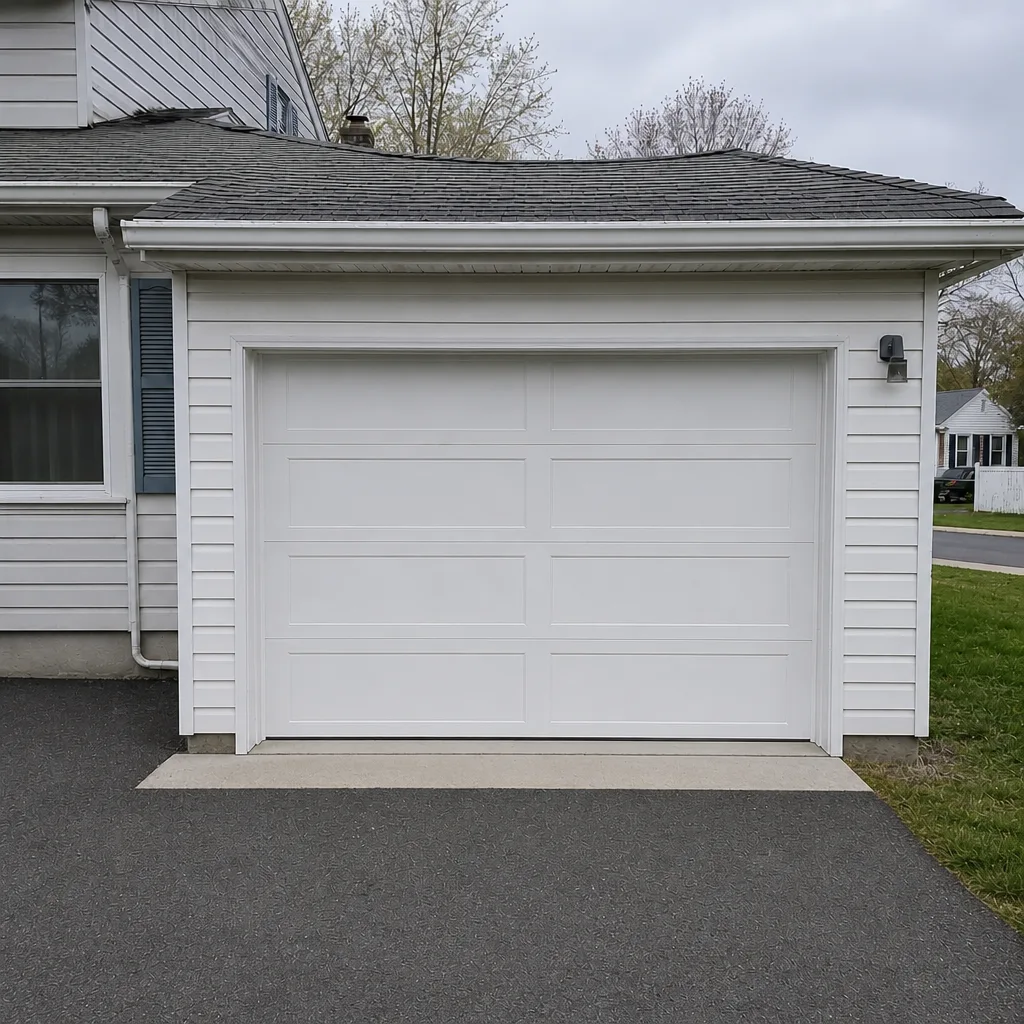 After
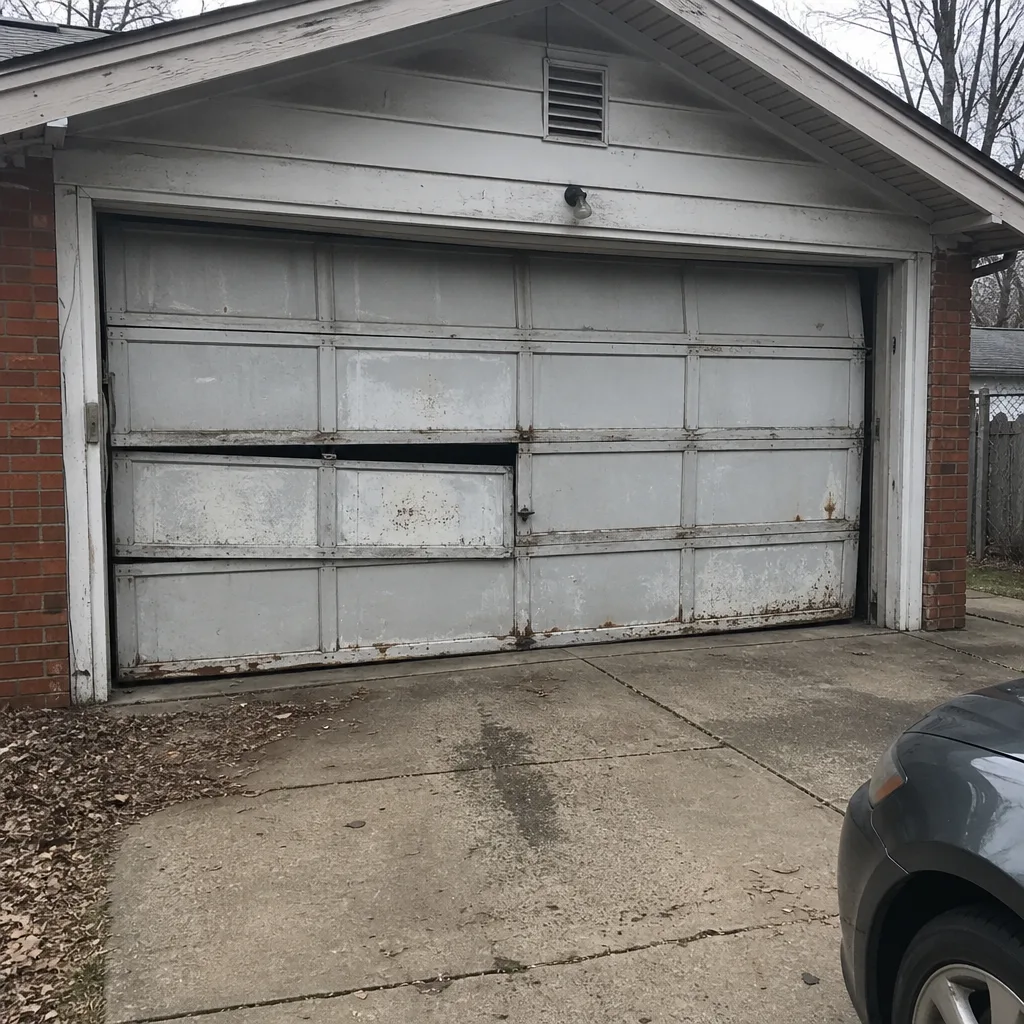 Before
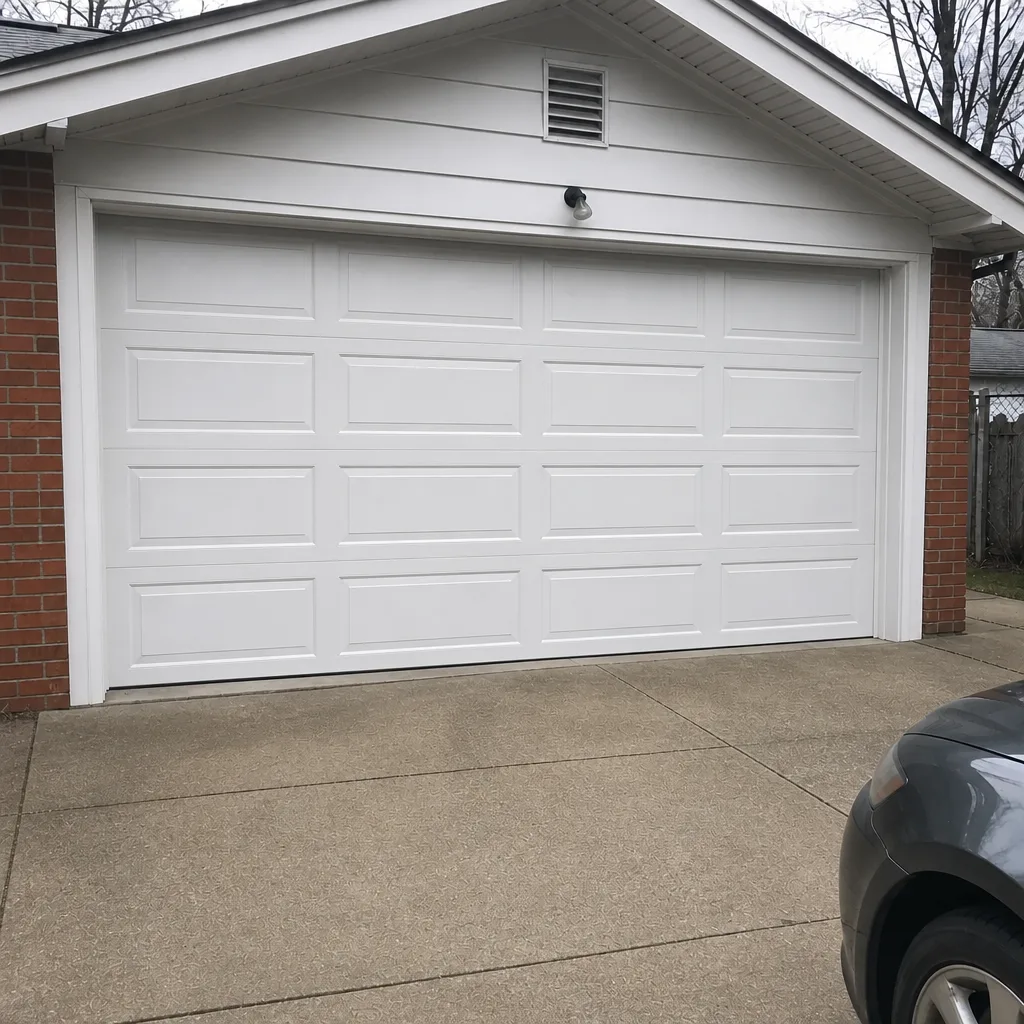 After
When to Call a Professional
There are three scenarios where calling a licensed garage door contractor saves you time and money in Meriden. The first is any replacement you suspect will involve the structure – a rusted opening, a door that’s been sagging, a jamb that was patched at some point. The second is any door connected to an attached garage, where the fire separation and inspectable features are in play. The third is any door with an opener: UL 325 compliance and the inspection schedule are easier when one team handles both. Garage Door Repair Meriden offers free estimates in Meriden – call (833) 679-1963. We work with the door and opener brands the city sees most often, including LiftMaster and Chamberlain, and we can tell you what your specific door needs before you commit to anything.
Frequently Asked Questions
In most cases yes. A full garage door replacement in Meriden typically requires a building permit through the city’s building department, while routine repairs like spring or opener replacement do not. Always confirm with the building department for your address, since a few scenarios depend on whether the opening itself is changing.
The most common problem is at resale: a buyer’s title search can flag the unpermitted work and the sale can stall until it’s resolved. Acknowledging the issue early is far cheaper than resolving it during a closing, when time pressure drives the cost up. The fix, if it happens, involves applying for an after-the-fact permit and inspection, which may require portions of the work to be verified or redone.
The inspection verifies the installed door matches the permit, the door carries its manufacturer’s permanent label, the track and anchors are secure, the oping around the opening keeps its structural and fire-separation requirements, and the opener is UL 325 compliant with working photo-eye sensors and auto-reverse. It’s typically a short visit.
Yes. Connecticut’s building inspection verifies UL 325 compliance on any permitted garage door installation. In practice that means working photo-eye sensors, functioning auto-reverse, a manual release, and correctly set force limits. Any modern LiftMaster, Chamberlain, Genie, or Craftsman opener meets the standard when installed correctly.
No. A spring replacement is a repair, not a structural change, and it doesn’t require a permit. Spring work is also the most safety-critical part of any garage door – the spring is under extreme tension – so it should always be handled by a trained technician. If you’re concerned about the springs on your door, call (833) 679-1963 and we’ll get someone out to look at it.
For a typical residential replacement, the permit is usually issued within a few business days, and the inspection is scheduled after the install. Total elapsed time from permit application through final inspection is typically one to two weeks for a same-size replacement, longer if the opening is being resized. Call (833) 679-1963 if you’d like us to walk through the timeline for your specific door.
The Bottom Line
A garage door replacement in Meriden usually needs a permit, a repair usually doesn’t, and the line between the two is drawn by whether the opening’s structure changes. The permit is cheap; the cost of skipping it shows up at resale, when a title search stalls a closing. Pull the permit through Meriden’s building department before work begins, keep the final inspection record with your home documents, and let the install be done by a licensed contractor who’ll handle the paperwork. Our technicians have up to 12 years of experience and can tell you what your door needs before you commit.
Call Garage Door Repair Meriden at (833) 679-1963 for a free estimate. We’ll give you a written price before any work starts, and we’ll tell you straight whether your project needs a permit.
Written by the team at Garage Door Repair Meriden.